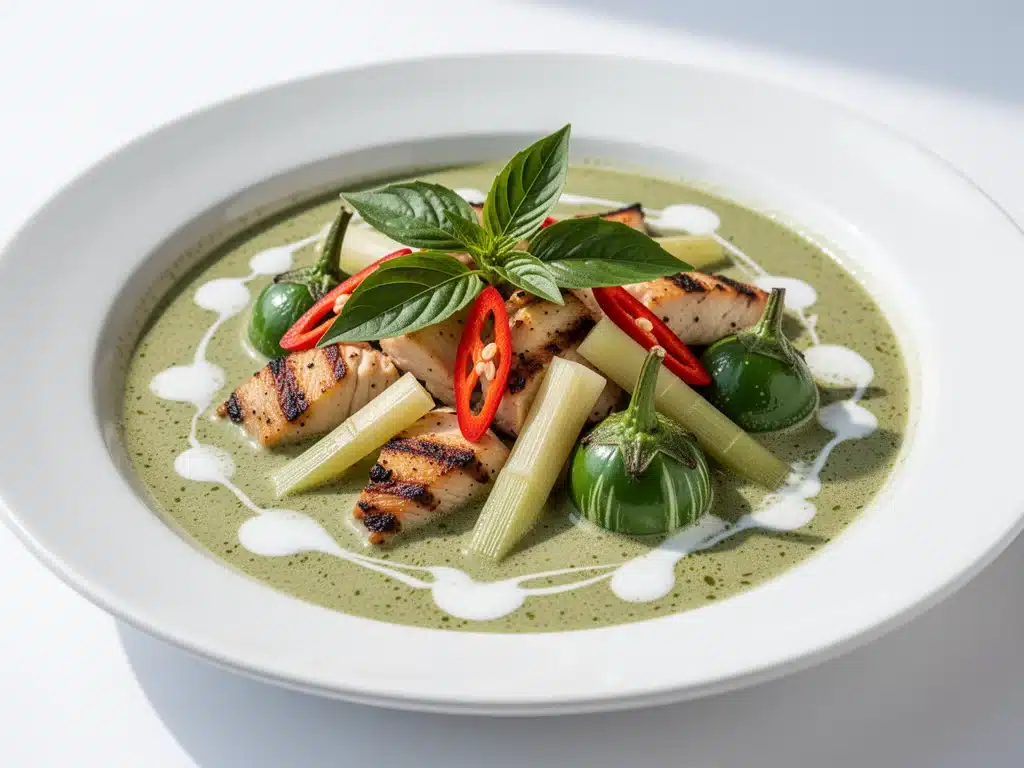
Two years ago, I was sitting in a dimly lit corner of a Bangkok street food stall, sweating through my shirt because it was 95 degrees and humid enough to chew on. I had just finished a spicy papaya salad that made my eyes water, and I was desperate for something cooling. That’s when a local auntie handed me a bowl of green curry that changed everything I thought I knew about Thai food. It wasn’t the watery, sweet version I’d been making at home with store-bought jars. It was vibrant, aromatic, and had this incredible depth of flavor that came from actually pounding the ingredients fresh.
I went home and tried to recreate it. I failed. Hard. I used jarred paste, which tasted flat and one-dimensional. I used coconut milk straight from the can, which felt heavy and oily. It took me six attempts—and a trip back to Thailand three months later—to finally get it right. That’s when I learned that the secret isn’t in the recipe itself, but in the technique: toasting the paste, using the right coconut milk, and balancing the heat with palm sugar.
Now, this Authentic Thai Green Curry with Coconut Milk is the star of my dinner rotation. It’s faster than ordering takeout, healthier than anything from a restaurant, and honestly? It’s better. The aroma alone fills the house and makes my kids beg for seconds. If you’ve ever felt intimidated by Thai cooking, think again. Once you master this Authentic Thai Green Curry with Coconut Milk, you’ll never look back. Let’s get into how to make it.
Why You’ll Love This Recipe
There are about a dozen reasons I keep coming back to this dish, but here are the ones that matter most for your weeknight sanity and your taste buds.
It’s Faster Than Takeout — Seriously. From chopping veggies to serving, this Authentic Thai Green Curry with Coconut Milk takes about 30 minutes. I’ve timed it. I get home from work, throw this together, and we’re eating before the Uber Eats driver even figures out which way to drive. It’s a weeknight savior.
Actually Authentic Flavor — Most home cooks rely on jarred curry paste, which is convenient but lacks soul. By making a quick fresh paste (or using a high-quality store-bought one and boosting it), you get that complex, layered heat with lemongrass, galangal, and kaffir lime leaves. It’s not just “spicy”; it’s fragrant.
Flexible Protein Options — This Authentic Thai Green Curry with Coconut Milk is a blank canvas. I use chicken thighs because they stay juicy, but shrimp, tofu, beef, or even just extra vegetables work beautifully. It’s great for using up whatever is in your fridge.
One-Pot Wonder — Cleanup is minimal. You cook the paste, add the liquid and veggies, simmer, and serve. One pot. Maybe a cutting board. That’s it. My husband, who usually hates cooking, can make this with zero stress.
Customizable Heat Level — Want it mild for the kids? Remove the seeds from the chilies in the paste. Want it fiery? Add a fresh bird’s eye chili. You control the spice, which means everyone at the table gets what they want.
This dish has saved me from the “what’s for dinner?” panic more times than I can count. It’s reliable, delicious, and makes you feel like a culinary genius without the effort.
Ingredients You’ll Need
Here’s the best part: most of this is pantry staples or easy-to-find grocery items. I’m particular about a few things here, so pay attention.
For the Curry Base
Green Curry Paste (2-3 tablespoons / 30-45g) — This is the heart of the Authentic Thai Green Curry with Coconut Milk. I recommend Maesri or Mae Ploy brands for authenticity. If you can’t find them, a good quality store-bought paste works, but I’ll show you how to boost it. Don’t skimp on the paste; it’s where the flavor lives.
Coconut Milk (1 can / 400ml) — Use full-fat, unsweetened coconut milk. Look for brands like Aroy-D or Chaokoh. Shake the can well before opening. If you want extra richness, you can use coconut cream for the first half of the can, then dilute with milk.
Chicken Stock (1 cup / 240ml) — Low-sodium is best so you can control the saltiness. Homemade is ideal, but a good quality carton works fine.
Fish Sauce (2-3 tablespoons / 30-45ml) — This is non-negotiable for authentic flavor. It adds saltiness and umami. I use Red Boat brand because it’s pure and clean. If you’re vegetarian, swap this for soy sauce or tamari, but the flavor profile will shift slightly.
Palm Sugar (1-2 teaspoons / 5-10g) — This balances the heat and salt. Brown sugar works in a pinch, but palm sugar has a distinct caramel-like depth. You can find it in the Asian aisle of most supermarkets.
Kaffir Lime Leaves (4-6 leaves / fresh or frozen) — These add a citrusy, floral aroma that defines Thai green curry. Fresh is best, but frozen works well. If you can’t find them, skip them, but you’ll miss that signature scent.
For the Veggies and Protein
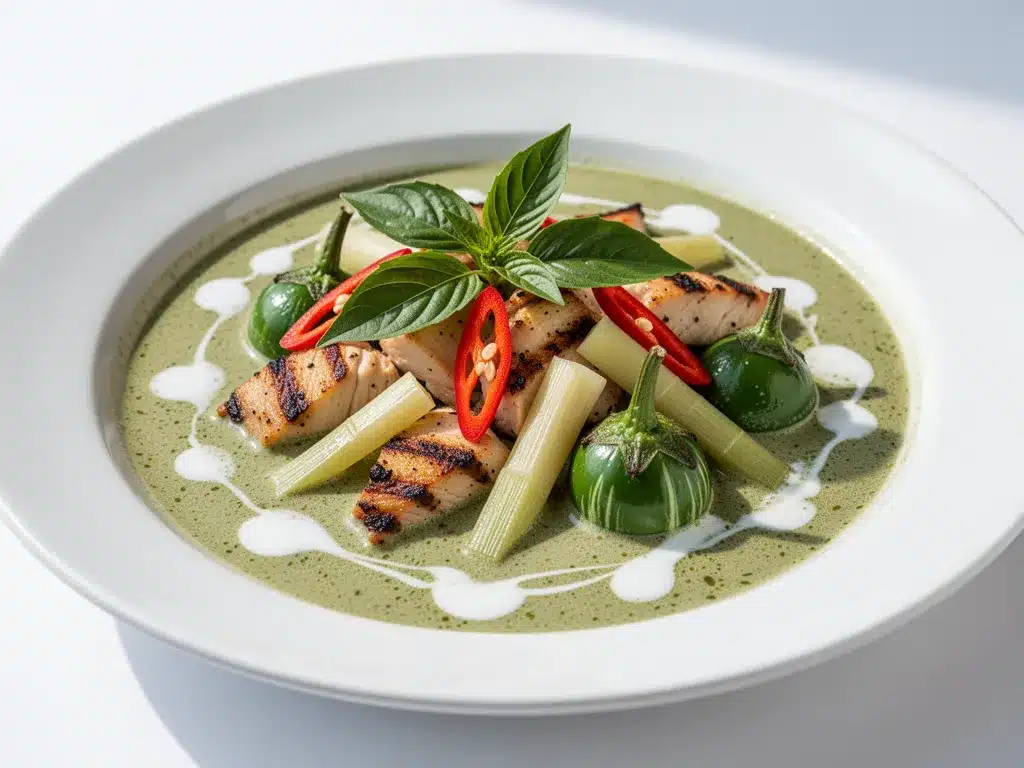
Chicken Thighs (1.5 pounds / 680g) — Boneless, skinless, cut into bite-sized pieces. Chicken thighs stay juicy and don’t dry out like breast meat. If you prefer breast, reduce cooking time by 2 minutes.
Bamboo Shoots (1 cup / 150g) — Sliced. These add a nice crunch and absorb the sauce. Canned is fine; just rinse them well.
Baby Eggplant (1 cup / 150g) — Halved. Thai eggplants hold their shape better than large ones. If you can’t find them, use regular small eggplants or zucchini chunks.
Thai Basil (1 cup / 30g) — This is crucial. It’s not the same as Italian basil. Thai basil has a slight anise/licorice flavor and purple stems. Add it at the very end so it wilts but doesn’t turn black.
Fresh Red Chili (1-2, sliced) — For garnish and extra heat. Optional, but recommended if you like spice.
Pantry Boosters
Vegetable Oil (1 tablespoon) — For frying the curry paste.
Garlic (2 cloves, minced) — Adds extra pungency if you’re using store-bought paste.
Ginger or Galangal (1 teaspoon, grated) — Galangal is more authentic, but ginger works if you can’t find it. It adds warmth.
Equipment Needed
You don’t need fancy gear for this Authentic Thai Green Curry with Coconut Milk. Here’s what I actually use.
Large Skillet or Wok — I use a 12-inch stainless steel skillet. It needs to be wide enough to let the sauce reduce properly. A wok is traditional and great for tossing, but a large skillet works perfectly.
Wooden Spoon — For stirring the paste and veggies. Silicone works too, but wood feels more natural for this kind of cooking.
Sharp Knife — For cutting chicken and slicing chilies. A dull knife is dangerous and frustrating.
Cutting Board — Any size. I use a large plastic one for easy cleanup.
Measuring Spoons — For the fish sauce and sugar. Accuracy helps with balancing flavors.
Colander — For rinsing canned bamboo shoots and eggplants.
Optional: Mortar and Pestle — If you’re making the paste from scratch, this is essential. If using store-bought, you don’t need it.
How to Make It: Step-by-Step
Alright, let’s make this! I’m walking you through exactly how I do it, including the little tricks I’ve picked up over years of making this Authentic Thai Green Curry with Coconut Milk.
Step 1: Prep Your Ingredients (10 minutes)
Cut the chicken thighs into bite-sized pieces. Slice the bamboo shoots if they’re large. Halve the eggplants. Mince the garlic. Slice the fresh chili. Measure out the fish sauce, palm sugar, and curry paste. Having everything ready before you start cooking is key because the curry paste cooks quickly and you don’t want to burn it while hunting for ingredients.
Step 2: Fry the Curry Paste (2-3 minutes)
Heat the vegetable oil in your large skillet or wok over medium heat. Add the green curry paste. Here’s the secret: fry the paste! Cook it for 2-3 minutes, stirring constantly, until it becomes fragrant and the oil starts to separate from the paste. This step awakens the flavors of the lemongrass, galangal, and chilies. If you just add the paste to the coconut milk, it’ll taste raw and flat. You’ll know it’s ready when the kitchen smells incredible.
Step 3: Add the Coconut Milk (5 minutes)
Pour in half of the coconut milk. Stir well to combine with the fried paste. Let it simmer for 2-3 minutes. You’ll see the oil separate and float to the top again—that’s a good sign. It means the flavors are melding. Add the rest of the coconut milk and the chicken stock. Bring to a gentle simmer.
Step 4: Cook the Protein (8-10 minutes)
Add the chicken pieces to the simmering sauce. Stir to coat. Let it cook for 5 minutes. Then add the bamboo shoots and eggplant. Simmer for another 5 minutes, or until the chicken is cooked through and the veggies are tender but not mushy. The sauce should thicken slightly and cling to the ingredients. If it looks too thin, let it simmer a bit longer. If it’s too thick, add a splash more stock.
Step 5: Season the Curry (2 minutes)
Remove the skillet from the heat. This is crucial. Add the fish sauce and palm sugar. Stir until the sugar dissolves. Taste the sauce. This is where you adjust. Need more salt? Add fish sauce. Too salty? Add a pinch more sugar. Too spicy? Add a splash of coconut milk. Too flat? Add a squeeze of lime juice. The balance of salty, sweet, and spicy is what makes this Authentic Thai Green Curry with Coconut Milk sing.
Step 6: Finish with Basil (1 minute)
Stir in the Thai basil leaves. They will wilt immediately from the residual heat. Do not cook them further, or they’ll turn dark and lose their flavor. Add the fresh chili slices for garnish. Serve immediately over jasmine rice.
Total Time: About 30 minutes (10 minutes active, 20 minutes simmering).
Expert Tips & Tricks
Here’s everything I’ve learned from making this dozens of times. These tips will save you from my mistakes.
Fry the Paste — I cannot stress this enough. Frying the curry paste in oil before adding liquid is the difference between “okay” and “amazing.” It takes 2 minutes but unlocks the essential oils in the spices.
Use Full-Fat Coconut Milk — Light coconut milk will make a watery, bland curry. You need the richness for the sauce to be creamy and luxurious. It’s worth the calories.
Balance is Key — Thai food is all about balance. If it’s too spicy, add sugar. If it’s too sweet, add fish sauce. If it’s too salty, add acid (lime) or sweetness. Taste as you go.
Add Basil at the End — Thai basil is delicate. Cooking it too long destroys its flavor. Toss it in right before serving.
Make the Paste Fresh (Optional) — If you have a mortar and pestle, try making the paste from scratch. It’s labor-intensive but incredibly rewarding. Blend dried chilies, lemongrass, galangal, kaffir lime zest, coriander root, shrimp paste, and salt.
Variations & Substitutions
Once you’ve nailed the basic version, here’s how you can mix it up. I’ve tried all of these.
Shrimp Green Curry — Swap chicken for shrimp. Add them in the last 3 minutes of cooking. Shrimp cooks fast, so don’t overcook it or it’ll get rubbery.
Vegetarian Version — Use tofu instead of chicken. Swap fish sauce for soy sauce or mushroom sauce. Add extra veggies like bell peppers, snap peas, or carrots.
Beef Green Curry — Use flank steak, sliced thinly against the grain. It needs a few extra minutes to cook through. I like to marinate it in a little cornstarch first for tenderness.
Mild Version — Use less curry paste and remove the seeds from the fresh chilies. Add more coconut milk to dilute the heat.
Spicy Version — Add a chopped bird’s eye chili to the paste when frying. Or serve with chili jam on the side.
Serving & Storage
How to serve this Authentic Thai Green Curry with Coconut Milk for maximum enjoyment.
How to Serve: — Serve hot over steamed jasmine rice. The rice is essential to soak up the delicious sauce. I also like to add a wedge of lime on the side for a fresh squeeze.
Side Dishes: — Simple cucumber slices with a little vinegar and sugar. Or a side of fried shallots for crunch.
Storage: — Store leftovers in an airtight container in the fridge for up to 3 days. The flavors actually get better the next day as they meld.
Reheating: — Reheat gently on the stovetop over low heat. Add a splash of water or coconut milk if it’s too thick. Microwave works but can sometimes separate the coconut milk, so stovetop is best.
Freezing: — This curry freezes well for up to 2 months. Thaw in the fridge overnight and reheat gently. The texture of the veggies might soften, but the flavor remains great.
Nutrition Information
I’m not a nutritionist, but here’s the breakdown if you’re tracking.
Per Serving (based on 4 servings):
- Calories: 450
- Protein: 35g
- Carbs: 12g
- Fiber: 3g
- Sugar: 6g
- Fat: 28g
- Saturated Fat: 18g
- Cholesterol: 90mg
- Sodium: 600mg
What’s Good: High protein, healthy fats from coconut milk, low carb if you skip the rice.
What to Know: Higher in sodium due to fish sauce. Use low-sodium stock and less fish sauce to reduce.
My Take: This is comfort food. It’s rich and satisfying. Pair it with brown rice or cauliflower rice for a lighter option, but honestly? White jasmine rice is worth it.
Final Thoughts
So that’s my go-to Authentic Thai Green Curry with Coconut Milk! I’ve probably talked your ear off at this point, but when you make a recipe this often, you have a lot to say about it.
This dish has saved me from takeout fatigue more times than I can count. It’s my answer to “what’s for dinner” when I want something flavorful but don’t want to order out. My family loves it, and I love that I can control the ingredients.
Make it yours! Try different veggies, swap the protein, adjust the spice. The best recipes are the ones you adapt to your taste.
If you make this, drop a comment and let me know what you think! I love hearing how recipes turn out in your kitchen. And if something doesn’t work, tell me that too—I’m here to help troubleshoot.
Happy cooking! And I hope your kitchen smells half as good as mine does right now.
Frequently Asked Questions
Can I use coconut cream instead of coconut milk?
You can, but it will be much richer and thicker. I recommend mixing half coconut cream and half coconut milk, or diluting the cream with a little water or stock. It’s delicious but heavy.
Why is my curry too spicy?
Too much curry paste or too many chilies. To fix it, add more coconut milk and a little palm sugar to balance the heat. If it’s still too spicy, serve it with more rice to dilute it.
Can I make the curry paste ahead?
Yes! Store it in an airtight container in the fridge for up to a week, or freeze it for up to 3 months. This saves so much time on weeknights.
What is the difference between green and red curry?
Green curry uses fresh green chilies, which are brighter and more herbaceous. Red curry uses dried red chilies, which are deeper and smokier. Both use similar aromatics like lemongrass and galangal.
Can I use regular basil instead of Thai basil?
You can, but the flavor will be different. Regular basil is sweeter and less anise-like. If you use regular basil, add it at the very end and use less, as it can overpower the dish if cooked too long.
How do I store leftovers?
Store in an airtight container in the fridge for up to 3 days. Reheat gently on the stovetop with a splash of water or coconut milk.
Can I freeze this curry?
Yes, it freezes well for up to 2 months. Thaw in the fridge overnight and reheat gently. The veggies may soften, but the flavor remains great.
Pin This Recipe!
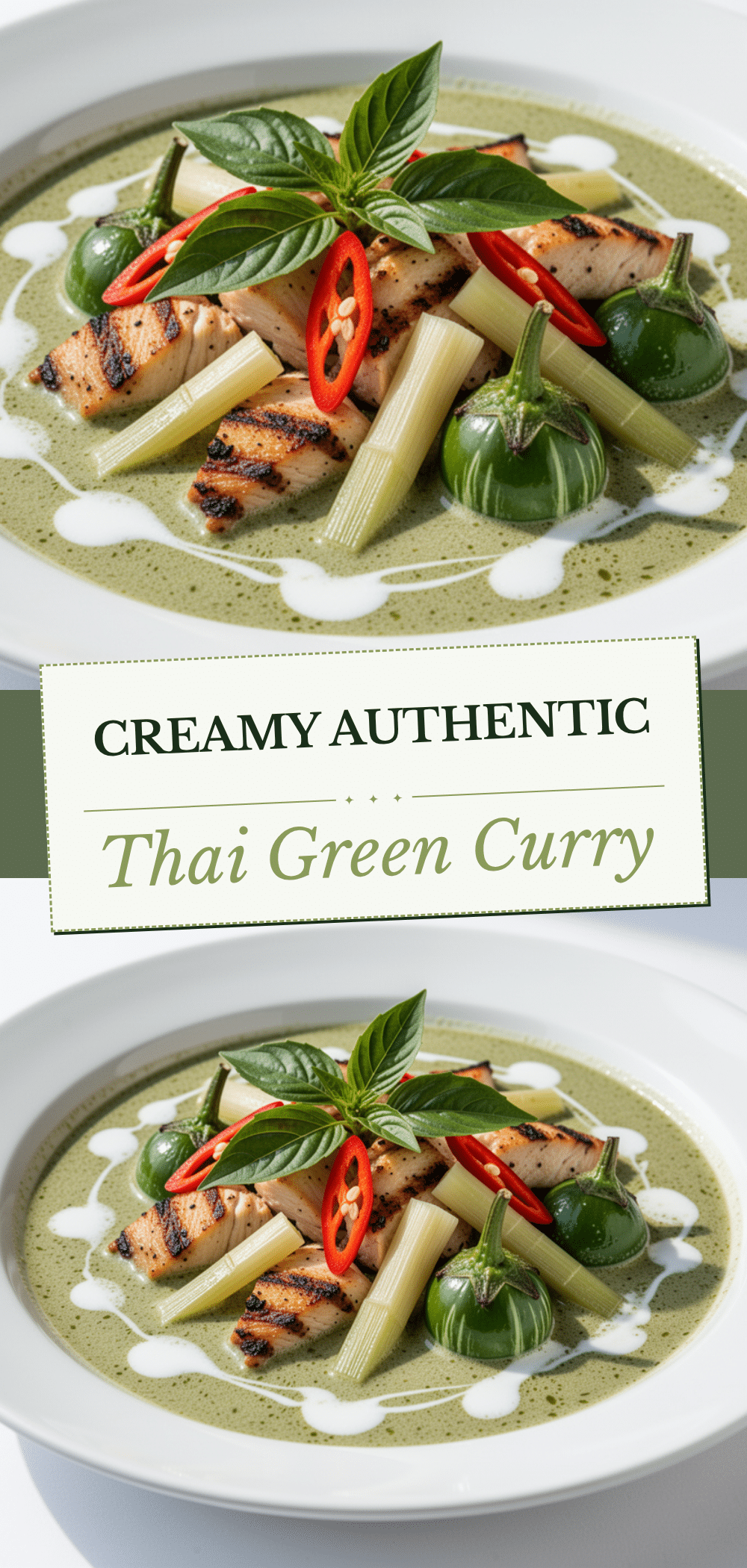
Authentic Thai Green Curry with Coconut Milk
- Total Time: 30 minutes
- Yield: 4 servings 1x
Description
A vibrant, aromatic Thai green curry made with fresh techniques like frying the paste and balancing flavors with palm sugar and fish sauce. Ready in 30 minutes, this one-pot meal is faster than takeout and customizable with various proteins and vegetables.
Ingredients
- 2–3 tablespoons Green Curry Paste (Maesri or Mae Ploy brands recommended)
- 1 can (400ml) Full-fat, unsweetened Coconut Milk
- 1 cup (240ml) Low-sodium Chicken Stock
- 2–3 tablespoons Fish Sauce
- 1–2 teaspoons Palm Sugar
- 4–6 Kaffir Lime Leaves (fresh or frozen)
- 1.5 pounds (680g) Boneless, skinless Chicken Thighs, cut into bite-sized pieces
- 1 cup (150g) Bamboo Shoots, sliced
- 1 cup (150g) Baby Eggplant, halved
- 1 cup (30g) Thai Basil leaves
- 1–2 Fresh Red Chilies, sliced (for garnish)
- 1 tablespoon Vegetable Oil
- 2 cloves Garlic, minced
- 1 teaspoon Ginger or Galangal, grated
Instructions
- Prep ingredients: Cut chicken thighs into bite-sized pieces, slice bamboo shoots, halve eggplants, mince garlic, slice fresh chili, and measure fish sauce, palm sugar, and curry paste.
- Heat vegetable oil in a large skillet or wok over medium heat. Add the green curry paste and fry for 2-3 minutes, stirring constantly, until fragrant and oil begins to separate.
- Pour in half of the coconut milk and stir to combine with the paste. Simmer for 2-3 minutes until oil separates again. Add the remaining coconut milk and chicken stock, then bring to a gentle simmer.
- Add the chicken pieces to the simmering sauce. Cook for 5 minutes, then add bamboo shoots and eggplant. Simmer for another 5 minutes until chicken is cooked through and vegetables are tender.
- Remove the skillet from heat. Stir in fish sauce and palm sugar until dissolved. Taste and adjust seasoning with more fish sauce, sugar, or lime juice as needed.
- Stir in Thai basil leaves until wilted. Garnish with fresh chili slices and serve immediately over steamed jasmine rice.
Notes
Frying the curry paste is crucial to unlock flavors. Use full-fat coconut milk for richness. Add Thai basil at the very end to prevent it from turning dark. Balance is key: adjust saltiness with fish sauce, sweetness with palm sugar, and heat with chilies.
- Prep Time: 10 minutes
- Cook Time: 20 minutes
- Category: Main Course
- Cuisine: Thai
Nutrition
- Serving Size: 1 bowl with jasmine
- Calories: 450
- Sugar: 6
- Sodium: 600
- Fat: 28
- Saturated Fat: 18
- Carbohydrates: 12
- Fiber: 3
- Protein: 35
Keywords: Thai Green Curry, Coconut Milk, One-Pot Meal, Weeknight Dinner, Authentic Thai Food, Chicken Curry, Easy Recipe


