It was a Tuesday in November, the kind of day where the wind howls outside and the house feels cold no matter how high you crank the thermostat. I had just come from a fancy dinner at a place that charged $85 a plate for what amounted to beef that tasted like it had been rushed through a pressure cooker. It was tough. Dry. Disappointing. I walked home angry, convinced that braised short ribs were all hype and overpriced restaurant tricks.
That night, I decided to prove the critics wrong. I bought a package of beef short ribs, grabbed an open bottle of Cabernet I’d been meaning to finish, and set a timer for six hours. I wasn’t trying to be fancy. I was just trying to make dinner that actually tasted like comfort.
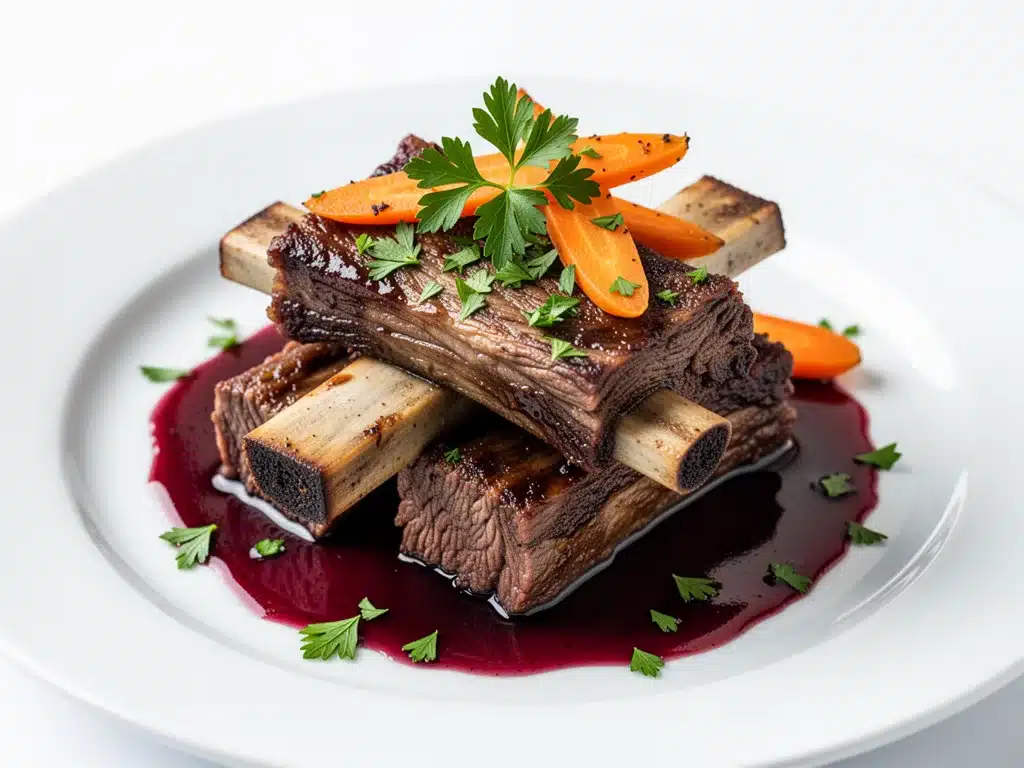
When I pulled that pot out of the oven six hours later, the kitchen smelled like a French bistro. The meat wasn’t just tender; it was falling apart at the touch of a fork. The sauce was dark, glossy, and deeply flavored with red wine and herbs. I took one bite, and I knew I’d been wrong. These aren’t just a dish for special occasions. This is the kind of food that makes people stop talking and just eat. And it’s easier than you think.
This braised beef short ribs with red wine reduction recipe has become my secret weapon. Whether I’m hosting a holiday dinner or just trying to impress a date without spending a fortune at a steakhouse, this is the go-to. It’s rich, it’s luxurious, and it tastes like you spent all day in the kitchen (even though you mostly just walk away). I’ve tested this method at least a dozen times, tweaking the wine ratios and simmering times until I landed on the perfect balance of savory depth and tender melt-in-your-mouth texture.
Why You’ll Love This Red Wine Beef Short Ribs Recipe
There are plenty of ways to cook beef, but few methods deliver that specific kind of satisfaction that comes from slow-braised meat. This recipe has completely changed my weekend routine. Here’s why I keep coming back to it, and why your family will too.
It’s Basically Set-It-And-Forget-It — Seriously. Once you sear the meat and throw it in the oven, you’re done for the day. I’ve made this while helping my kids with homework, while taking phone calls, or while napping. The low-and-slow cooking does all the work. You just come back to a kitchen that smells incredible and a dinner that’s ready to serve.
Restaurant-Quality Results at Home — I’ve served this to friends who claim to be “food experts,” and they always ask where I bought the meat. The truth? It’s just beef, wine, and time. The technique is what matters. The reduction creates a sauce that’s thicker and richer than anything you’ll get at a chain restaurant, without the markup.
Perfect for Meal Prep — Here’s the thing about braised meat: it tastes even better the next day. The flavors meld together overnight, making the beef more tender and the sauce more complex. I often make a double batch on Sunday and eat it for lunch all week. It reheats beautifully in the microwave or on the stovetop.
Impressive Without the Stress — Need to impress in-laws? Want to wow a partner? This dish looks stunning plated with a simple drizzle of that dark red wine sauce. It feels elegant and sophisticated, but the prep work is minimal. It’s the ultimate cheat code for looking like a pro chef.
Budget-Friendly Luxury — Short ribs aren’t the cheapest cut, but they’re way more affordable than ribeye or filet mignon. Plus, you get so much more yield. A few pounds of ribs feed a crowd, especially when you serve them with creamy mashed potatoes or crusty bread to soak up the sauce.
This is my answer to “what’s for dinner” when I want to feel fancy but don’t have the energy to fuss. It’s reliable, delicious, and always a crowd-pleaser.
Ingredients You’ll Need
Before we get into the how-to, let’s talk about what goes into this pot. I’m particular about a few things here, because with braising, the quality of your ingredients really shines through. You don’t need anything exotic, but you do need quality basics.
Beef Short Ribs (3-4 pounds / 1.5-2kg) — This is the star. Look for bone-in short ribs if you can find them. The bone adds incredible flavor to the sauce and helps keep the meat moist. If you can only find boneless, that works too, but the bone-in version is worth the extra effort to find. Ask your butcher to cut them into 2-3 inch chunks for easier serving.
Red Wine (1 bottle / 750ml) — Use a dry red wine that you would actually drink. Cabernet Sauvignon, Merlot, or Syrah work best. Don’t use “cooking wine” from the vinegar aisle. If it’s not good enough to sip, it’s not good enough for your food. The alcohol cooks off, leaving behind rich tannins and fruit notes.
Beef Broth (2 cups / 480ml) — I use low-sodium beef broth so I can control the saltiness. Homemade bone broth is even better if you have it, as it adds more gelatin and body to the sauce.
Aromatics — 2 large yellow onions, chopped roughly. 4 large carrots, cut into 2-inch chunks. 4 stalks celery, chopped. This classic mirepoix base adds sweetness and depth. 6 cloves garlic, minced. Fresh only.
Tomato Paste (2 tablespoons) — This adds umami and helps thicken the sauce. It’s not there to make it taste like tomato; it’s there to deepen the savory flavor.
Herbs — 3 sprigs fresh thyme, 2 sprigs fresh rosemary, and 2 bay leaves. Fresh herbs are key here. Dried herbs can become bitter during long cooking times. Tie them together with kitchen twine for easy removal later.
Flour (2-3 tablespoons) — All-purpose flour is used to dredge the meat before searing. This creates a crust that helps thicken the sauce later.
Oil (2-3 tablespoons) — Use an oil with a high smoke point like avocado oil, grapeseed oil, or canola oil. Olive oil can burn at the high temperatures needed for searing.
Butter (2 tablespoons, optional) — Swirled in at the very end to give the sauce a glossy, restaurant-quality finish.
Salt and Black Pepper — Generous amounts. You want to season the meat well before it hits the pan.
For the Garnish — Fresh parsley, chopped. A squeeze of lemon juice to brighten the rich flavors.
Equipment Needed
You don’t need fancy gadgets for this. Here’s what I actually use in my kitchen.
Heavy-Bottomed Dutch Oven — A 6-7 quart Dutch oven is ideal. It needs to be big enough to hold the ribs in a single layer (or two tight layers) and deep enough to hold the liquid. Cast iron or enameled cast iron works best because it holds heat evenly. My Le Creuset has been with me for years, but any heavy pot will do.
Sharp Chef’s Knife — For chopping onions, carrots, and celery. A dull knife is dangerous and frustrating.
Measuring Cups and Spoons — Standard stuff.
Tongs — Essential for flipping the heavy ribs without piercing them and losing juices.
Slotted Spoon — For removing the meat and vegetables from the pot.
Strainer or Sieve — For straining the sauce if you want it completely smooth.
Whisk — For mixing the tomato paste and flour, and for emulsifying the butter at the end.
How to Make It: Step-by-Step
Alright, let’s make this! I’m walking you through exactly how I do it, including the little tricks I’ve picked up over the years.
Step 1: Prep and Season the Meat (10 minutes)
Pat the short ribs completely dry with paper towels. This is crucial. Wet meat steams instead of sears. Season generously with salt and black pepper on all sides. If you have time, let them sit uncovered in the fridge for an hour to dry out further, but I rarely have that kind of patience. Just dry them well.
Step 2: Sear the Ribs (15 minutes)
Heat your Dutch oven over medium-high heat with the oil. Once the oil shimmers, add the ribs in a single layer. Don’t crowd the pan! If you have to do two batches, do it. Crowding lowers the temperature and prevents a good crust. Sear for 3-4 minutes per side until deeply browned. Remove to a plate. This fond (the browned bits stuck to the bottom) is flavor gold.
Step 3: Sauté the Vegetables (5 minutes)
Reduce heat to medium. Add the onions, carrots, and celery to the same pot. Cook for 5-7 minutes until softened. Add the garlic and tomato paste. Cook for 1 more minute, stirring constantly. The tomato paste should turn a darker, brick-red color. This caramelization builds the flavor base.
Step 4: Deglaze and Combine (2 minutes)
Pour in the red wine. Use your wooden spoon to scrape up all those browned bits from the bottom of the pot. This is called deglazing, and it’s non-negotiable. Let the wine simmer for 2 minutes to cook off the harsh alcohol smell. Add the beef broth, thyme, rosemary, and bay leaves. Return the ribs and any accumulated juices to the pot.
Step 5: Braise in the Oven (2.5 – 3 hours)
Cover the pot with a tight-fitting lid. Place it in a preheated 325°F (165°C) oven. Braise for 2.5 to 3 hours. The meat is done when it’s fork-tender and pulling away from the bone. If you’re using boneless ribs, check at 2 hours. If you’re using bone-in, it might need the full 3 hours. Don’t rush this step.
Step 6: Make the Reduction (15-20 minutes)
Remove the pot from the oven. Carefully take out the ribs and vegetables with a slotted spoon. Discard the herb bundles. Skim off excess fat from the surface of the sauce with a spoon. Place the pot on the stovetop over medium-high heat. Simmer the sauce vigorously for 15-20 minutes until it reduces by half and coats the back of a spoon. Taste and adjust salt and pepper. If you want a smoother sauce, strain it through a sieve.
Step 7: Finish and Serve (5 minutes)
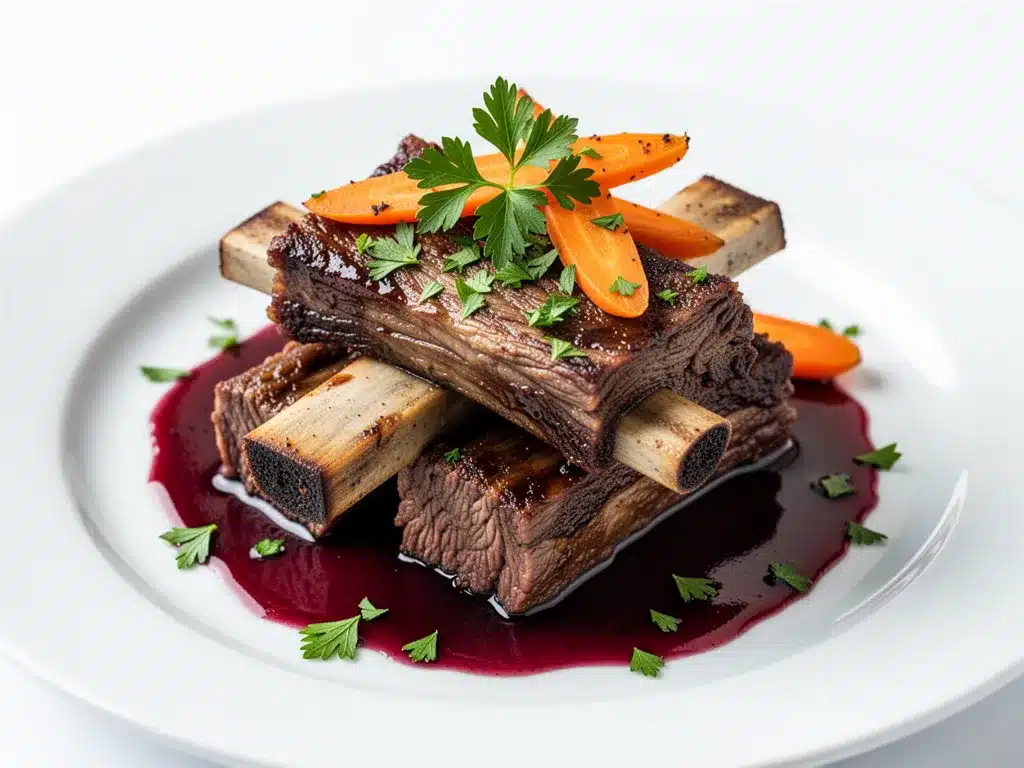
Whisk in the cold butter (if using) for a glossy finish. Return the ribs to the sauce to warm through. Garnish with fresh parsley and a squeeze of lemon juice. Serve immediately.
Expert Tips & Tricks
Here’s everything I’ve learned from making this dozens of times. These tips will save you from my mistakes.
Don’t Skip the Sear
I know it’s tempting to just throw everything in the pot. But searing creates the Maillard reaction, which gives the meat that deep, savory flavor. Without it, the dish tastes boiled, not braised. Take the time to get a good crust.
Use the Right Wine
I’ve made this with cheap wine and expensive wine. The difference isn’t huge, but the cheap stuff can taste sharp. Stick to a dry red. If you don’t like Cabernet, try a Pinot Noir for a lighter profile, or a Malbec for something fruitier.
Strain the Sauce
For a truly elegant presentation, strain the sauce. The vegetables will have broken down and can look mushy. Straining gives you a clean, professional-looking sauce that highlights the beef. If you like chunky veggies, you can leave them in, but I prefer the smoothness.
Skim the Fat
After braising, a layer of fat will float on top. Use a fat separator or a large spoon to skim it off. This makes the sauce less greasy and more flavorful. It’s a small step that makes a big difference in mouthfeel.
Let It Rest
Like a steak, the meat benefits from a few minutes of rest after being pulled from the liquid. It allows the juices to redistribute. Plus, it gives you time to finish the sauce without the meat getting cold.
Variations & Substitutions
Once you’ve nailed the basic version, here’s how you can mix it up. I’ve tried all of these.
White Wine Version
Swap the red wine for dry white wine (like Sauvignon Blanc) and use chicken broth instead of beef broth. Add more garlic and fresh tarragon. This is lighter and great with fish or chicken, but still works with pork ribs.
Beer Braised
Replace the wine with a dark stout or porter. This gives a malty, roasted flavor that pairs beautifully with the beef. Add a tablespoon of molasses for extra depth.
Vegan Adaptation
Use seitan or large portobello mushrooms instead of ribs. Use vegetable broth and red wine. The braising time is shorter for mushrooms (about 45 minutes), but seitan can handle the full 2.5 hours. The sauce technique remains the same.
Spicy Kick
Add 1 teaspoon of smoked paprika and a pinch of cayenne pepper when sautéing the vegetables. Serve with a dollop of sour cream or crème fraîche to cool it down.
Gluten-Free
Simply omit the flour dredge. The sauce will be slightly thinner, so you may need to simmer it a bit longer to reduce. Or, use cornstarch mixed with water to thicken at the end.
Serving & Storage
How to Serve
I usually serve this straight from the skillet at the dinner table—it looks rustic and stays warm. But here are other ways I’ve enjoyed it:
- Creamy Mashed Potatoes — The ultimate pairing. The sauce over fluffy potatoes is heaven.
- Polenta — Soft, creamy polenta is a great alternative to potatoes.
- Crusty Bread — A baguette is perfect for mopping up every drop of sauce.
- Green Beans — Simple steamed green beans with lemon add a fresh contrast to the rich meat.
Storage Instructions
Refrigerator:
Store in an airtight container for up to 4 days. The sauce will thicken in the fridge—totally normal. The flavors actually get better after a day or two.
Reheating:
Best method: Add to a skillet with a splash of broth or water over low heat. Stir until heated through and creamy again.
Microwave method: Heat in 30-second intervals, stirring between. Add a splash of liquid if it’s too thick.
Never works: Trying to reheat in the pot you cooked it in. It always burns on the bottom. Ask me how I know.
Freezing:
This freezes well! Let it cool completely, then freeze in portions for up to 3 months. Thaw in the fridge overnight and reheat gently. The texture of the meat remains tender.
Nutrition Information
I’m not a nutritionist, but here’s the breakdown if you’re tracking.
Per Serving (based on 4 servings):
- Calories: 650
- Protein: 45g
- Carbs: 12g
- Fiber: 3g
- Sugar: 6g
- Fat: 42g
- Saturated Fat: 18g
- Cholesterol: 180mg
- Sodium: 850mg
What’s Good: High in protein and iron. The vegetables add fiber and vitamins.
What to Know: Higher in calories and saturated fat due to the beef and wine reduction. Use low-sodium broth to reduce sodium content.
My Take: Look, this is rich, indulgent food. It’s not a diet recipe. But it’s way better than takeout, costs less, and I know exactly what’s in it. When I want to make it lighter, I skip the butter finish and use a leaner cut of beef. But usually? I just eat a reasonable portion and enjoy it.
Final Thoughts
So that’s my go-to braised beef short ribs with red wine reduction! I’ve probably talked your ear off at this point, but when you make a recipe this often, you have a lot to say about it.
This has saved weeknight dinners more times than I can count. It’s my answer to “what’s for dinner” when I’m tired, don’t want takeout, and still want something that tastes really good. My kids are happy, my husband’s happy, and I’m happy because I’m not stressed about cooking.
Make it yours! Try different wines, swap in your favorite vegetables, adjust the herbs. The best recipes are the ones you adapt to your family’s tastes.
If you make this, drop a comment and let me know what you think! I love hearing how recipes turn out in your kitchen. And if something doesn’t work, tell me that too—I’m here to help troubleshoot.
Happy cooking! And I hope your kitchen smells half as good as mine does right now.
Frequently Asked Questions
Q: Can I use a different type of wine?
A: Yes, but stick to dry reds. Cabernet, Merlot, Syrah, or Pinot Noir are great choices. Avoid sweet wines like Moscato or Riesling, as they will make the sauce too sweet. If you don’t drink wine, you can use extra beef broth with a splash of balsamic vinegar for acidity, but the flavor will be different.
Q: Why is my sauce watery?
A: Usually means you didn’t reduce it long enough. After removing the meat and veggies, simmer the sauce on the stovetop for 15-20 minutes until it coats the back of a spoon. If it’s still thin, you can make a slurry with cornstarch and water and whisk it in.
Q: Can I make this in a slow cooker?
A: Yes! Sear the meat and veggies in a pan first, then transfer everything to the slow cooker. Add the wine and broth. Cook on low for 8 hours or high for 4 hours. The sauce will be thinner, so you may need to reduce it on the stovetop after cooking.
Q: Can I use boneless short ribs?
A: Absolutely. They cook faster, so check for tenderness after 2 hours. The flavor will be slightly less rich since the bone adds gelatin, but they’re much easier to eat.
Q: How do I store leftovers?
A: Store in an airtight container in the fridge for up to 4 days. The sauce will thicken as it cools. Reheat gently with a splash of broth or water.
Q: Can I freeze this dish?
A: Yes, it freezes well for up to 3 months. Thaw in the fridge overnight and reheat gently. The texture of the meat remains tender.
Q: What if I don’t have a Dutch oven?
A: You can use a heavy-bottomed pot or a casserole dish covered with foil. Just make sure it’s oven-safe and large enough to hold the ingredients in a single layer.
Pin This Recipe!
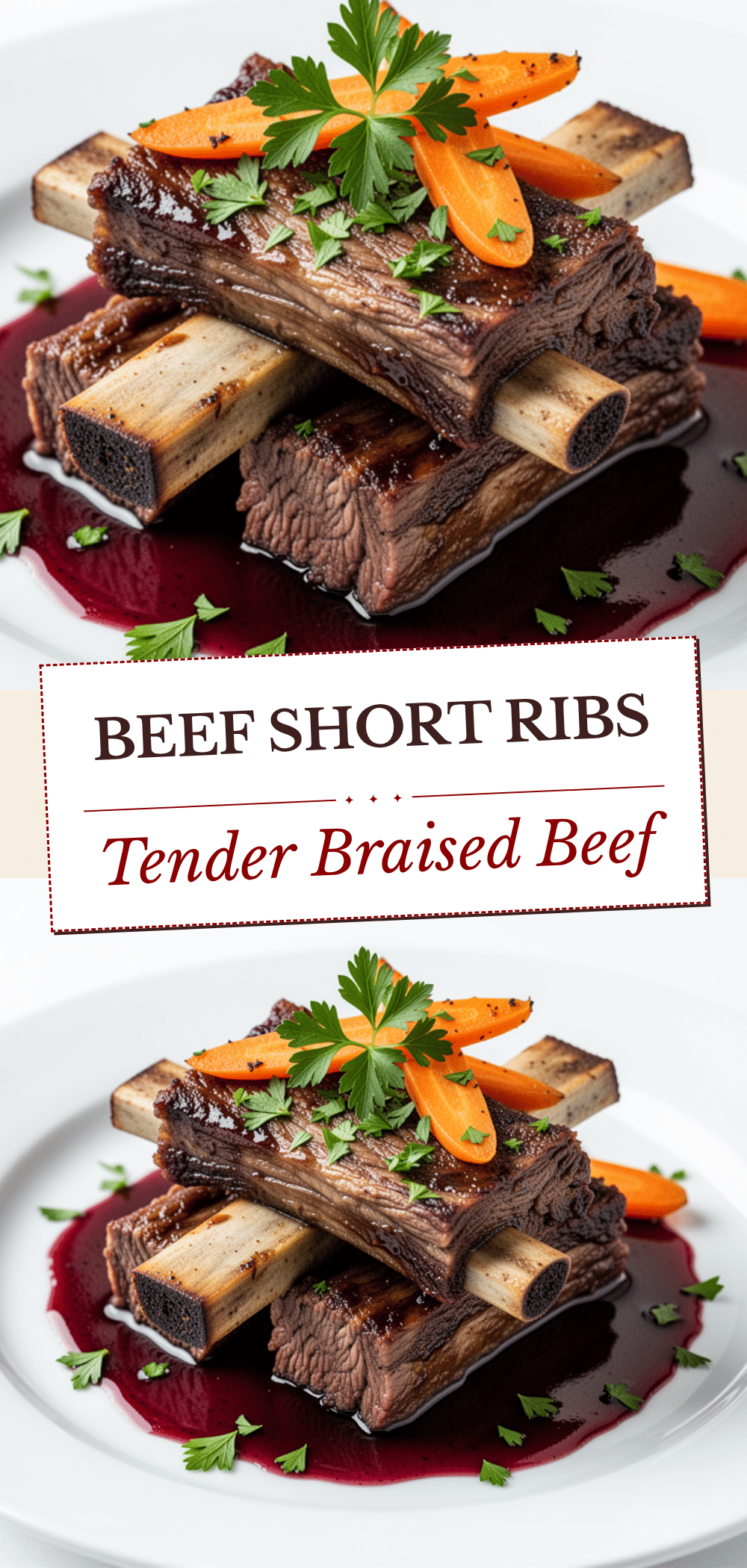
Braised Beef Short Ribs: 5-Step Red Wine Recipe
- Total Time: 3 hours 30 minutes
- Yield: 4 servings 1x
Description
A rich, luxurious, and tender braised beef short rib recipe using red wine reduction. This set-it-and-forget-it dish delivers restaurant-quality results with minimal effort, perfect for impressing guests or enjoying a comforting weeknight meal.
Ingredients
- 3–4 pounds beef short ribs (bone-in preferred, cut into 2–3 inch chunks)
- 1 bottle (750ml) dry red wine (Cabernet Sauvignon, Merlot, or Syrah)
- 2 cups low-sodium beef broth
- 2 large yellow onions, chopped roughly
- 4 large carrots, cut into 2-inch chunks
- 4 stalks celery, chopped
- 6 cloves garlic, minced
- 2 tablespoons tomato paste
- 3 sprigs fresh thyme
- 2 sprigs fresh rosemary
- 2 bay leaves
- 2–3 tablespoons all-purpose flour
- 2–3 tablespoons high smoke point oil (avocado, grapeseed, or canola)
- 2 tablespoons butter (optional, for finishing)
- Salt and black pepper, generous amounts
- Fresh parsley, chopped (for garnish)
- Lemon juice (for garnish)
Instructions
- Pat the short ribs dry with paper towels and season generously with salt and black pepper on all sides.
- Heat oil in a heavy-bottomed Dutch oven over medium-high heat. Sear ribs in a single layer (in batches if necessary) for 3-4 minutes per side until deeply browned. Remove to a plate.
- Reduce heat to medium. Add onions, carrots, and celery to the pot. Cook for 5-7 minutes until softened. Add garlic and tomato paste; cook for 1 minute until tomato paste darkens.
- Pour in the red wine and scrape up browned bits from the bottom of the pot (deglaze). Simmer for 2 minutes to cook off alcohol.
- Add beef broth, thyme, rosemary, and bay leaves. Return ribs and any accumulated juices to the pot.
- Cover with a tight-fitting lid and braise in a preheated 325°F (165°C) oven for 2.5 to 3 hours, until meat is fork-tender.
- Remove pot from oven. Take out ribs and vegetables with a slotted spoon. Discard herb bundles and skim excess fat from the sauce.
- Place pot on stovetop over medium-high heat. Simmer sauce vigorously for 15-20 minutes until reduced by half and coating the back of a spoon. Strain if desired.
- Whisk in cold butter (if using) for a glossy finish. Return ribs to sauce to warm through.
- Garnish with fresh parsley and a squeeze of lemon juice. Serve immediately.
Notes
Do not skip the searing step as it creates essential flavor through the Maillard reaction. Use a dry red wine you would enjoy drinking. The dish tastes even better the next day as flavors meld. For a smoother sauce, strain the reduction. Skim fat from the surface before serving for a less greasy mouthfeel.
- Prep Time: 10 minutes
- Cook Time: 3 hours 20 minutes
- Category: Main Course
- Cuisine: French
Nutrition
- Serving Size: 1 serving (approx. 1
- Calories: 650
- Sugar: 6
- Sodium: 850
- Fat: 42
- Saturated Fat: 18
- Carbohydrates: 12
- Fiber: 3
- Protein: 45
Keywords: braised beef short ribs, red wine sauce, slow cooker alternative, comfort food, dinner party recipe, beef stew, red wine reduction