It was a Tuesday night, and my husband was staring into the fridge with that specific look of resignation that only appears when you know dinner is going to be “fine” but not “good.” I’d been trying to convince him that plant-based eating didn’t mean eating cardboard for three years. He’d nod politely, eat his salad, and then sneak a piece of cheese when I wasn’t looking. We loved each other, but we had a fundamental problem: he believed mac and cheese was inherently dairy-dependent. If it didn’t have melted cheddar, it wasn’t mac and cheese. It was just pasta with wet stuff on it.
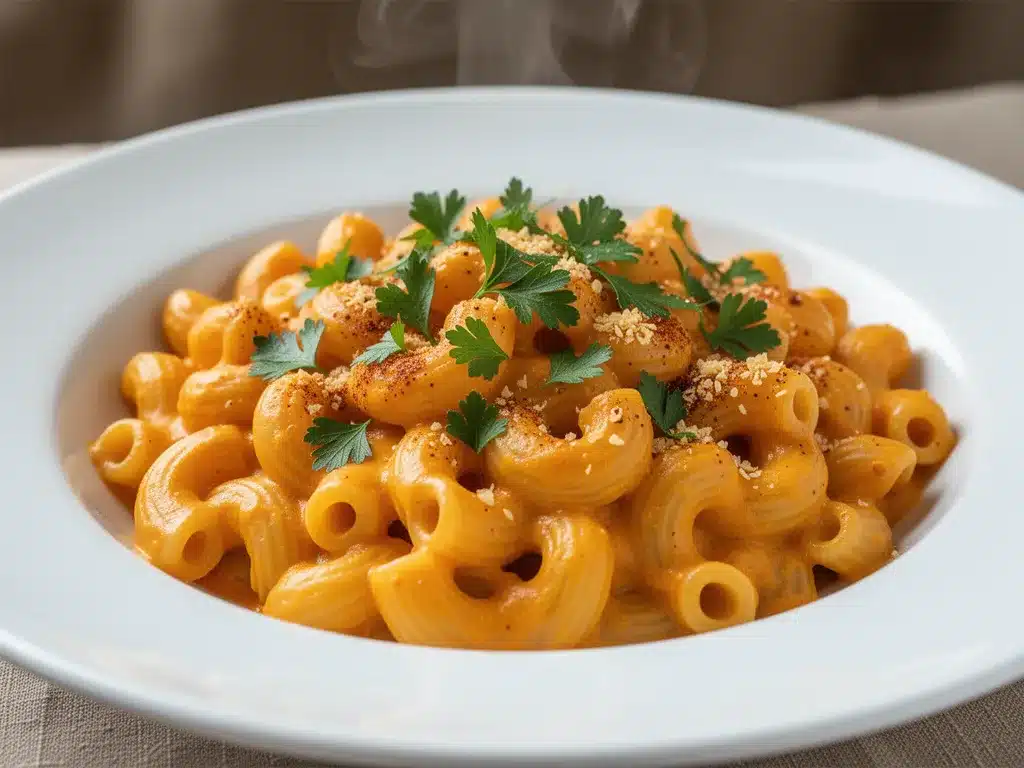
Then I made this vegan butternut squash mac and cheese with cashew sauce. I didn’t tell him what was in it. I just put the bowl in front of him and said, “Try this.” He took one bite, paused, and asked if I’d added a little heavy cream. When I said no, he took another bite. And another. By the time he finished his plate, he was asking for the recipe. That was three years ago. Now, this is the dish I make when I want to prove a point, when I’m hosting a dinner party with skeptical guests, or when I just want something creamy, comforting, and utterly delicious without the dairy crash at 3 PM.
I’ve tested this vegan butternut squash mac and cheese with cashew sauce dozens of times. I’ve tweaked the roasting time, experimented with different types of squash, and tried various nut milks. The version I’m sharing with you is the winner. It’s rich, it’s velvety, and it has that deep, savory umami flavor that makes people close their eyes when they take a bite. The best part? It comes together in about 10 minutes of active prep if you roast the squash ahead of time. It’s the ultimate comfort food that happens to be good for you, too.
Why You’ll Love This Vegan Butternut Squash Mac and Cheese with Cashew Sauce
There are about a million mac and cheese recipes out there. Some are just potatoes and cashews blended into a pale yellow sludge. Others taste like straight-up turmeric and nothing else. This one is different. Here’s why this vegan butternut squash mac and cheese with cashew sauce has become a permanent fixture in our weekly rotation:
- It Actually Tastes Like Mac and Cheese — Seriously. The combination of roasted butternut squash and soaked cashews creates a base that is incredibly creamy and neutral enough to carry all the flavors. It’s not overly sweet, which is the biggest mistake people make with squash sauces. The savory elements balance the natural sweetness perfectly.
- 10-Minute Active Prep — If you roast your squash in batches or buy pre-cut (shout out to the grocery store freezer section for saving my life), the actual cooking time is incredibly short. You’re blending, heating, and tossing. That’s it. It’s perfect for those weeknights when you’re exhausted.
- Impressive Texture — This isn’t a thin, watery sauce. The cashews add a richness and body that mimics the fat content of dairy cheese. When combined with the fiber and pectin from the squash, you get a sauce that coats the pasta beautifully. It clings. It doesn’t slide off.
- Gluten-Free Friendly — Since this vegan butternut squash mac and cheese with cashew sauce doesn’t rely on a roux (flour and butter), it’s naturally gluten-free. Just swap in your favorite GF pasta, and everyone at the table can eat without worry.
- Meal Prep Magic — This sauce actually tastes better the next day. The flavors meld together overnight. I often make a big batch of sauce on Sunday and keep it in the fridge. When I need dinner, I just boil pasta, warm the sauce, and mix. It’s faster than ordering takeout.
This recipe has saved me from so many “what’s for dinner?” panics. It’s reliable, it’s forgiving, and it consistently gets compliments. Even my picky eater niece, who usually refuses to eat anything orange, asks for “the orange pasta” every time I make it.
Ingredients You’ll Need for the Creamiest Sauce
One of the things I love most about this vegan butternut squash mac and cheese with cashew sauce is the simplicity of the ingredients. You don’t need fancy, hard-to-find health food store items. You probably have most of this already. Here’s exactly what you need and why each component matters.
For the Base:
Butternut Squash (2 lbs / 900g, peeled and cubed) — This is the star. You can roast it, steam it, or microwave it until soft. Roasting adds depth, but steaming is faster. Look for squash that feels heavy for its size and has a matte finish. Avoid shiny ones; they might be underripe. Cut it into 1-inch cubes for even cooking.
Cashews (1 cup / 150g, raw and unsalted) — Do not use roasted cashews. They have a different flavor profile that can turn bitter when blended. Raw cashews provide that neutral, creamy richness. If you’re short on time, you can soak them in boiling water for 15 minutes instead of overnight. This is a lifesaver.
Plant Milk (1 cup / 240ml) — I recommend unsweetened vanilla or unflavored almond milk. Oat milk is also great because it’s naturally creamier. Avoid chocolate or strawberry milk (obviously). The milk adds volume and helps the blender get everything smooth. Use whatever you have on hand, just make sure it’s unsweetened.
For the Flavor Profile:
Nutritional Yeast (3-4 tablespoons) — This is the secret weapon. Nutritional yeast (often called “nooch”) has a cheesy, nutty, savory flavor. It’s what makes this vegan butternut squash mac and cheese with cashew sauce taste like cheese. Don’t skip it. If you’ve never tried it, it looks like yellow flakes. It’s not yeast in the baking sense; it’s deactivated.
Garlic (2 cloves, minced) — Fresh garlic is essential. Jarred garlic just doesn’t have the punch needed here. Mince it finely so it blends into the sauce seamlessly. If you’re garlic-averse, you can reduce to 1 clove, but I’d recommend not skipping it entirely.
Dijon Mustard (1 teaspoon) — This sounds weird, but trust me. The tang from the mustard cuts through the richness of the cashews and squash. It adds a complexity that mimics the sharpness of aged cheese. It won’t make the dish taste like mustard. I promise.
Lemon Juice (1 tablespoon, fresh squeezed) — Acid is key. It brightens up the heavy, earthy flavors. Fresh lemon is best. Bottled lemon juice can taste metallic. Just squeeze half a lemon and you’re good.
Smoked Paprika (½ teaspoon) — This adds a subtle smokiness that reminds me of baked mac and cheese. It’s optional, but I think it takes the dish from “good” to “wow.” If you don’t have it, regular paprika works, but smoked is better.
Garlic Powder (½ teaspoon) — For an extra layer of savory depth. Fresh garlic plus garlic powder is a great combo.
Salt and Black Pepper (to taste) — Don’t be shy with the salt. The sauce needs enough salt to bring out the flavors. I usually start with 1 teaspoon of sea salt and adjust from there. Freshly cracked black pepper adds a nice bite.
For the Pasta:
Macaroni or Pasta of Choice (1 pound / 450g) — I use elbow macaroni for the classic look, but shell pasta, cavatappi, or even gluten-free penne work great. The shape doesn’t matter as much as the sauce clinging to it. Cook according to package directions.
Equipment Needed
You don’t need a fancy kitchen for this. Here’s what I actually use:
High-Speed Blender — A Vitamix or Blendtec works best for silky smooth sauces. But you can use a regular blender. Just blend longer and maybe strain it if you’re feeling fancy. I’ve made this in a cheap blender, and it still comes out great if you soak the cashews well.
Large Pot — For boiling the pasta. Any pot that holds 4-6 quarts works.
Baking Sheet — If you’re roasting the squash. Line it with parchment paper for easy cleanup.
Colander — For draining the pasta.
Spatula — For stirring the sauce and tossing the pasta.
How to Make It: Step-by-Step
Alright, let’s make this! I’m walking you through exactly how I do it. It’s straightforward, but there are a few tricks to get that restaurant-quality texture.
Step 1: Prep the Squash (15-20 minutes)
If you’re roasting: Preheat your oven to 400°F (200°C). Toss the cubed squash with a little olive oil, salt, and pepper. Spread them in a single layer on a baking sheet. Roast for 20-25 minutes until tender and slightly caramelized at the edges. If you’re steaming: Place cubes in a steamer basket over boiling water. Cover and steam for 10-15 minutes until soft. If you’re in a huge rush: Microwave the cubes in a bowl with a splash of water for 5-7 minutes. Roasting adds the best flavor, though.
Step 2: Soak the Cashews (15 minutes or overnight)
If you forgot to soak them overnight, put the raw cashews in a heat-proof bowl and cover with boiling water. Let them sit for 15 minutes. This softens them so they blend smoothly. If you have time, soak them in cool water for at least 4 hours or overnight. Drain and rinse before using.
Step 3: Blend the Sauce
Add the drained cashews, roasted squash, plant milk, nutritional yeast, minced garlic, Dijon mustard, lemon juice, smoked paprika, garlic powder, salt, and pepper to your blender. Blend on high for 1-2 minutes until completely smooth. Stop and scrape down the sides if needed. The sauce should be thick, creamy, and lump-free. If it’s too thick, add a splash more plant milk. If it’s too thin, add a bit more squash or cashews.
Step 4: Cook the Pasta
Bring a large pot of salted water to a boil. Add your pasta and cook until al dente. Save ½ cup of pasta water before draining. This starchy water is magic for adjusting the sauce consistency later. Drain the pasta.
Step 5: Combine and Serve
Return the pasta to the pot (or a large skillet). Pour the cashew sauce over the hot pasta. Toss gently to coat. If the sauce is too thick, add the reserved pasta water a little at a time until it reaches your desired consistency. The heat from the pasta will warm the sauce perfectly. Taste and adjust seasoning if needed.
Expert Tips & Tricks
Here’s everything I’ve learned from making this vegan butternut squash mac and cheese with cashew sauce dozens of times. These tips will save you from my mistakes.
Don’t Skimp on Nutritional Yeast — I know some people hate the taste of nutritional yeast, but in this sauce, it disappears into the background and provides that essential savory depth. If you’re new to it, start with 2 tablespoons and add more to taste. It’s the key to the “cheesy” flavor.
Blend Longer Than You Think — A grainy sauce is the enemy. Blend your sauce for a full 2 minutes. If you’re using a weaker blender, you might need to blend in batches or strain it through a fine-mesh sieve for absolute silkiness. I usually just blend longer.
Use Acid to Balance Sweetness — Butternut squash is naturally sweet. The lemon juice and Dijon mustard are crucial to balance that. Don’t skip them. If you find your squash is extra sweet, add a bit more lemon juice.
Toast the Spices (Optional) — For an extra layer of flavor, toast the smoked paprika and garlic powder in a dry pan for 30 seconds before adding them to the blender. It releases their essential oils and makes the sauce taste more complex.
Keep It Warm — Serve immediately. This sauce can thicken as it cools. If you’re making it for a crowd, keep the pot on low heat or transfer to a slow cooker on the “warm” setting.
Variations & Substitutions
Once you’ve nailed the basic version, here’s how you can mix it up. I’ve tried all of these.
Add-Ins — Stir in cooked broccoli, cauliflower, or spinach for added veggies. I love adding crispy bacon bits (or vegan bacon) on top for texture. Caramelized onions are also amazing with this sauce.
Spicy Version — Add a dash of cayenne pepper or a chopped jalapeño to the blender. It adds a nice kick that pairs well with the sweetness of the squash.
Herbaceous Version — Add a handful of fresh basil or parsley to the blender. It gives the sauce a fresh, green note that’s great for spring.
Gluten-Free — As mentioned, this is naturally gluten-free. Just use GF pasta. I’ve tested Barilla GF and Ronzoni GF, and both work well.
Nut-Free Option — If you can’t have cashews, you can use soaked sunflower seeds or silken tofu. Sunflower seeds work surprisingly well, though the color will be paler. Silken tofu makes it very light and creamy.
Serving & Storage
How to Serve: I usually serve this straight from the pot, garnished with extra nutritional yeast, cracked black pepper, and fresh parsley. It’s rustic and comforting. Pair it with a simple green salad and some crusty bread for a complete meal.
Storage: Store leftovers in an airtight container in the fridge for up to 5 days. The sauce will thicken in the fridge, which is normal. To reheat, add a splash of plant milk or water and warm gently on the stove, stirring frequently. You can also microwave it in intervals, stirring in between.
Freezing: This sauce freezes well! Portion it into freezer-safe containers or bags. It will keep for up to 3 months. Thaw in the fridge overnight and reheat with a little extra liquid. The texture might be slightly different, but it’s still delicious.
Nutrition Information
I’m not a nutritionist, but here’s the breakdown if you’re tracking. Per serving (based on 6 servings):
| Nutrient | Amount |
|---|---|
| Calories | 380 |
| Protein | 12g |
| Carbs | 55g |
| Fiber | 6g |
| Sugar | 8g |
| Fat | 12g |
| Saturated Fat | 2g |
| Sodium | 400mg |
Look, this is comfort food. It’s higher in carbs because of the pasta, but the cashews and squash provide good fats and fiber. It’s a balanced, satisfying meal. When I want to make it lighter, I swap half the pasta for cauliflower florets. But usually? I just enjoy a reasonable portion and savor every bite.
Final Thoughts
So that’s my go-to vegan butternut squash mac and cheese with cashew sauce! I’ve probably talked your ear off at this point, but when you make a recipe this often, you have a lot to say about it. This has saved weeknight dinners more times than I can count. It’s my answer to “what’s for dinner” when I’m tired, don’t want takeout, and still want something that tastes really good. My family is happy, my guests are impressed, and I’m happy because I’m not stressed about cooking.
Make it yours! Try different add-ins, swap in your favorite vegetables, adjust the spices. The best recipes are the ones you adapt to your family’s tastes. If you make this, drop a comment and let me know what you think! I love hearing how recipes turn out in your kitchen. And if something doesn’t work, tell me that too—I’m here to help troubleshoot.
Happy cooking! And I hope your kitchen smells half as good as mine does right now.
Frequently Asked Questions
Can I use frozen butternut squash?
Yes! Frozen cubed butternut squash works perfectly. You don’t even need to thaw it. Just add it straight from the freezer to the blender after cooking it until soft. It might release a bit more water, so you may need to reduce the plant milk slightly. I use frozen squash all the time when fresh isn’t in season.
Why is my sauce too thin?
This usually happens if the squash was very watery or if you added too much plant milk. Let the sauce simmer on the stove for 5-10 minutes to reduce it. You can also add a bit more nutritional yeast or a tablespoon of cashew butter to thicken it. If it’s still too thin, blend in a few more soaked cashews.
Why is my sauce too thick?
Add more plant milk, one tablespoon at a time, until you reach the desired consistency. Remember, the sauce will thicken as it cools and coats the pasta, so it’s better to start slightly thinner than too thick. The reserved pasta water is also great for thinning it out without adding extra flavor.
Can I make this without a blender?
It’s possible, but not recommended. You’d need to mash the squash and cashews extremely finely, which would result in a grainy texture. A blender is essential for that smooth, creamy consistency. If you don’t have a blender, you can try an immersion blender, though it might take longer.
Does this taste like cashews?
Not at all. The cashews provide creaminess and body, but their flavor is neutral. The nutritional yeast, garlic, mustard, and spices are what give it the savory, cheesy taste. If you’re worried about nut flavor, rest easy—your guests won’t detect it.
Can I use other nuts?
Raw macadamia nuts or blanched almonds can work, but cashews are the best for this recipe because of their mild flavor and creamy texture. Walnuts or pecans have stronger flavors that might clash with the squash. Stick to cashews for the best result.
Pin This Recipe!
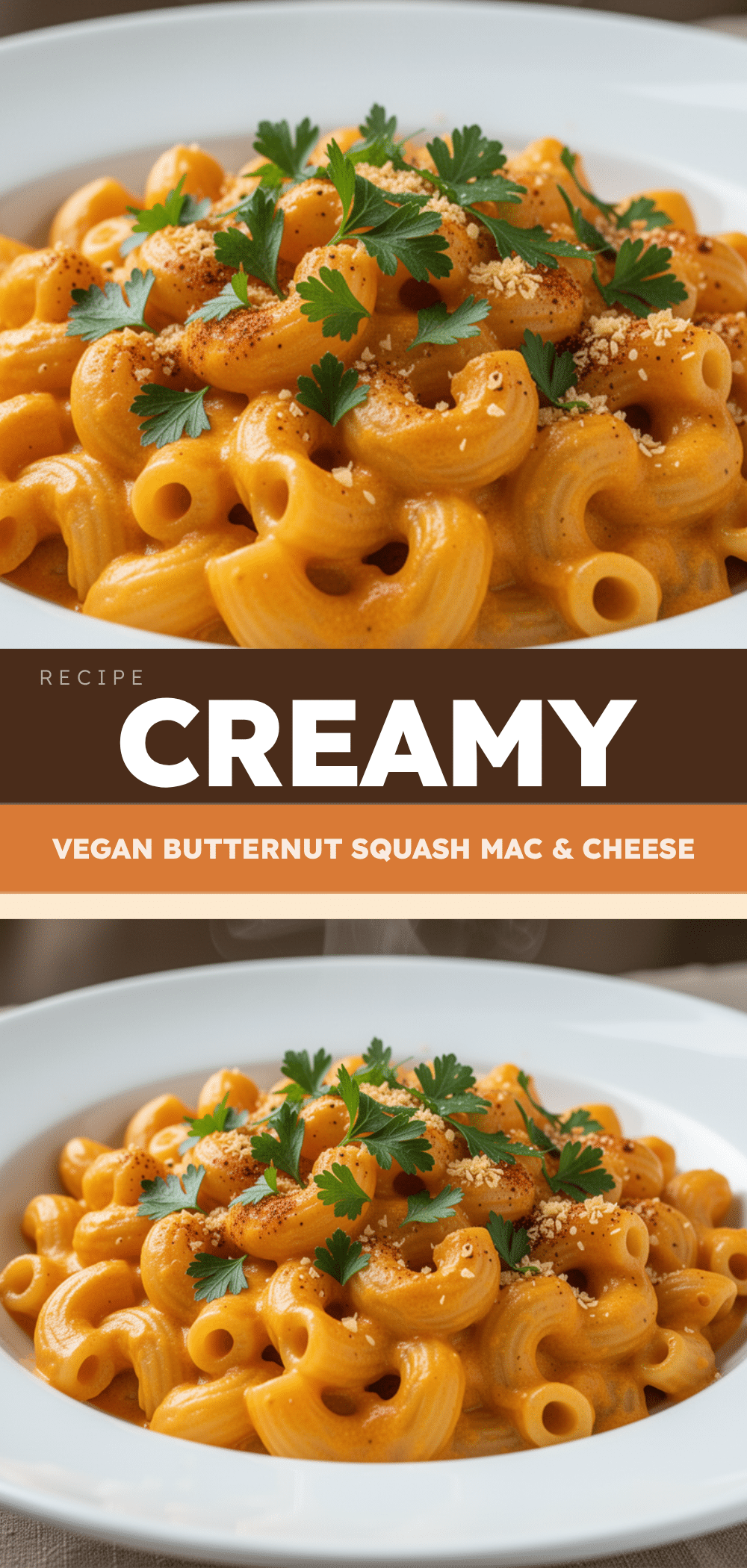

Vegan Butternut Squash Mac and Cheese: 10-Min Perfect Cashew Sauce
- Total Time: 45 minutes
- Yield: 6 servings 1x
Description
A creamy, comforting vegan mac and cheese featuring a rich cashew and roasted butternut squash sauce that mimics the texture and flavor of traditional dairy cheese.
Ingredients
- 2 lbs (900g) butternut squash, peeled and cubed
- 1 cup (150g) raw unsalted cashews
- 1 cup (240ml) unsweetened plant milk (almond, oat, or vanilla)
- 3–4 tablespoons nutritional yeast
- 2 cloves garlic, minced
- 1 teaspoon Dijon mustard
- 1 tablespoon fresh lemon juice
- 1/2 teaspoon smoked paprika
- 1/2 teaspoon garlic powder
- 1 teaspoon sea salt (or to taste)
- Freshly cracked black pepper (to taste)
- 1 pound (450g) macaroni or pasta of choice
- Olive oil (for roasting squash)
Instructions
- Preheat oven to 400°F (200°C). Toss cubed squash with olive oil, salt, and pepper. Roast on a baking sheet for 20-25 minutes until tender and caramelized. Alternatively, steam for 10-15 minutes or microwave for 5-7 minutes.
- Soak cashews in boiling water for 15 minutes or in cool water overnight. Drain and rinse.
- In a high-speed blender, combine drained cashews, roasted squash, plant milk, nutritional yeast, garlic, Dijon mustard, lemon juice, smoked paprika, garlic powder, salt, and pepper.
- Blend on high for 1-2 minutes until completely smooth and creamy. Add more milk if too thick.
- Bring a large pot of salted water to a boil. Cook pasta until al dente. Reserve 1/2 cup of pasta water before draining.
- Return drained pasta to the pot. Pour the cashew sauce over the hot pasta and toss to coat.
- Adjust consistency with reserved pasta water if needed. Taste and adjust seasoning.
- Serve immediately, garnished with extra nutritional yeast and black pepper.
Notes
Roasting the squash adds depth of flavor, but steaming or microwaving works for speed. The sauce thickens as it cools, so serve immediately or reheat with a splash of plant milk. Leftovers keep in the fridge for up to 5 days or freeze for up to 3 months.
- Prep Time: 15 minutes
- Cook Time: 30 minutes
- Category: Main Course
- Cuisine: American
Nutrition
- Serving Size: 1 serving (approx. 1
- Calories: 380
- Sugar: 8
- Sodium: 400
- Fat: 12
- Saturated Fat: 2
- Carbohydrates: 55
- Fiber: 6
- Protein: 12
Keywords: vegan mac and cheese, butternut squash, cashew sauce, gluten-free, plant-based, comfort food, dairy-free, healthy dinner