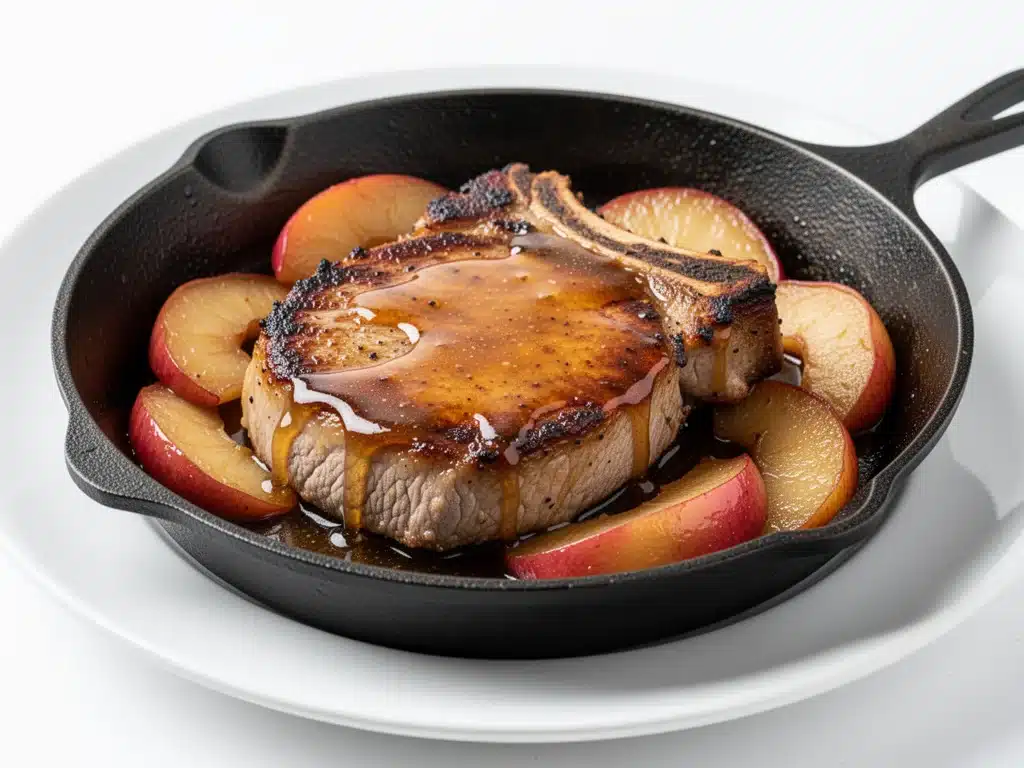
I have a confession to make. For the longest time, I treated pork chops like the stepchild of weeknight dinners. You know the ones. Dry, bland, and somehow always overcooked by the time you get to the table. I used to order takeout three nights a week because I just couldn’t be bothered to wrestle with dry meat. Then, last October, I was stuck in a rainstorm, my car was broken down, and I had a package of thick-cut pork chops and a bottle of local apple cider in the fridge. I decided to throw them in my oldest, blackened cast iron skillet with some butter and that cider, mostly just to make them edible before they expired.
What came out of that pan wasn’t just edible. It was incredible. Crispy edges, juicy meat, and this sticky, sweet-tangy glaze that smelled like autumn in a bottle. I ate it straight from the skillet (don’t judge me) and immediately realized I’d been doing pork chops all wrong. That accidental Tuesday night dinner became a staple. Now, I make these cast iron skillet pork chops with apple cider glaze at least twice a month, usually on the busiest weeknights when I need dinner to be impressive but effortless.
There’s something deeply satisfying about searing meat in heavy iron. It’s primal. It’s loud. It’s real. And the best part? You can have this meal on the table in 30 minutes flat. No fancy techniques, no hard-to-find ingredients, just good pork, good butter, and a glaze that makes your house smell amazing. If you’ve been avoiding pork chops because they’re “too much work” or “too risky,” this is the recipe that will change your mind. I’ve tested this method with thin chops and thick chops, with different ciders, and even with a few substitutions when I’m running low on time. It’s foolproof. It’s fast. And it’s hands-down the best way to cook pork chops at home.
Why You’ll Love This Recipe
I’m not exaggerating when I say this recipe has saved me from ordering pizza more times than I care to admit. There are about a dozen reasons I keep coming back to these skillet pork chops, but here are the big ones that make them a weeknight hero.
- Stupid Simple Technique — Seriously, if you can flip a pancake, you can make this. The secret isn’t complicated; it’s just a good sear and a quick pan sauce. I’ve taught my teenager how to make this over FaceTime, and he didn’t burn the kitchen down.
- 30-Minute Miracle — From thawing the chops to wiping the skillet, it takes 30 minutes. Only 15 of those are active cooking time. The rest is just simmering the sauce while you set the table. This is my go-to for those nights when I get home at 6:30 pm and am already exhausted.
- One-Pan Wonder — Okay, technically it’s one skillet, but that’s basically the same thing. Cleanup is a breeze. I just soak the skillet while I watch TV. No scrubbing multiple pots, no dishwasher overload. Just one heavy piece of metal that needs a little love.
- Restaurant-Quality Flavor — The glaze is the game-changer. That balance of sweet apple, tangy vinegar, and savory garlic? It tastes like something you’d pay $24 for at a bistro. But it costs less than $10 to make at home.
- Perfectly Juicy Every Time — The biggest fear with pork is dryness. This method keeps the meat moist because the quick high-heat sear locks in juices, and the glaze adds moisture back in. I’ve never had a dry chop making this way.
- Seasonal Vibes — Even in July, this recipe feels special. The apple cider glaze brings a cozy, comforting vibe that makes a simple weeknight dinner feel like an event. My kids ask for it when they want “comfort food.”
This is my answer to “what’s for dinner” when I’m tired but still want to feed my family something that tastes like I tried. No stress, no takeout bags, just good food that works.
Ingredients You’ll Need
Here’s the best part: you probably have most of this already. I’m particular about three ingredients here, and I’ll tell you exactly why. The rest is basic pantry staples. This isn’t a shopping list that requires a trip to three different stores.
For the Pork Chops
Bone-in pork chops (4 chops, about 1-inch thick / 1.5 kg) — I prefer bone-in because the bone adds flavor and keeps the meat from drying out as quickly. If you can only find boneless, that’s fine, just reduce the cook time by 2 minutes. Look for chops that are at least 3/4 inch thick. Thin chops cook too fast and turn into shoe leather.
Salt and black pepper — Kosher salt is my go-to because it sticks to the meat better than table salt. Be generous. The pork needs seasoning on the outside to get that crust.
High-smoke point oil (2 tablespoons) — I use avocado oil or refined coconut oil. Olive oil burns at high heat, so avoid extra virgin for the sear. You need something that can handle a hot pan without smoking up your kitchen.
For the Apple Cider Glaze
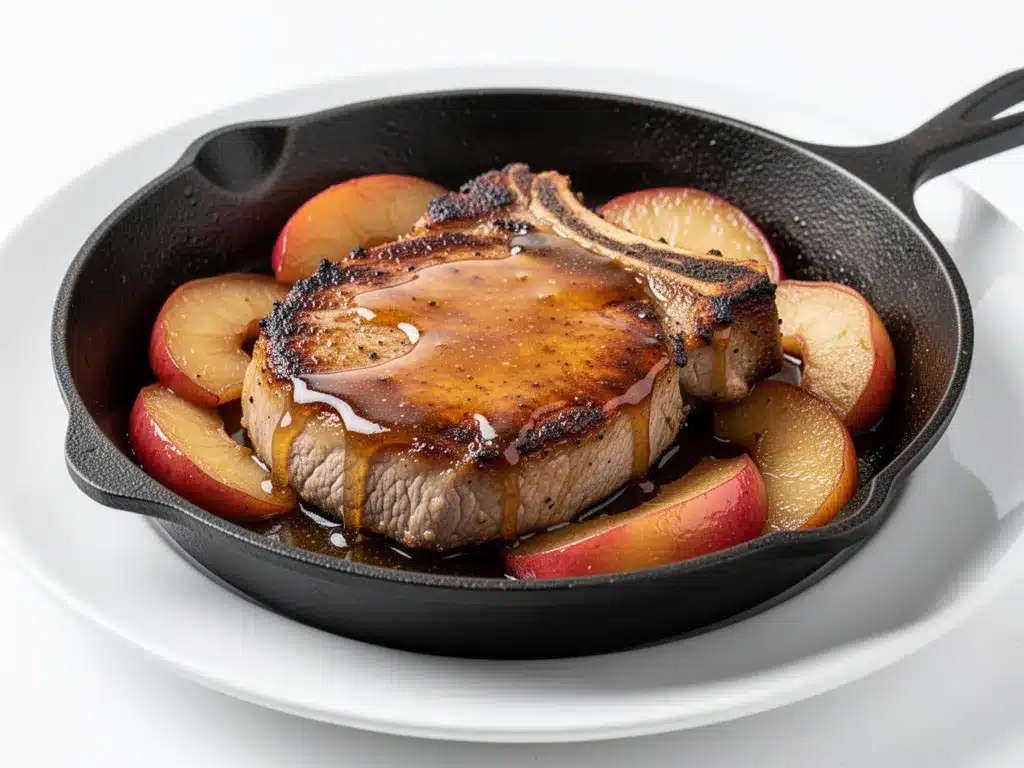
Apple cider (1 cup / 240ml) — This is the star. Use real apple cider, not apple juice cocktail. Apple juice is too sweet and lacks that tartness. Look for the cloudy, unpasteurized kind in the fridge section if you can find it. If you’re in a pinch, apple concentrate works, but real cider is better.
Apple cider vinegar (2 tablespoons) — This cuts through the sweetness and adds tang. Don’t skip it. It’s what makes the glaze taste complex instead of just sugary.
Butter (2 tablespoons) — Unsalted is best so you can control the salt. Butter adds richness and helps the glaze emulsify. It’s what gives that glossy, restaurant-style finish.
Garlic (3 cloves, minced / about 1 tablespoon) — Fresh only. No jarred garlic here. It tastes metallic and kills the fresh flavor of the cider. Mince it finely so it doesn’t burn.
Dijon mustard (1 teaspoon) — Sounds weird, I know. But it adds depth and helps the glaze stick to the meat. You won’t taste the mustard, just the richness.
Dried thyme (½ teaspoon) — Thyme pairs perfectly with pork and apples. Fresh thyme works too, but add it at the end so it doesn’t burn. I keep dried thyme in every spice jar because it’s versatile.
Optional: Honey (1 tablespoon) — If your cider isn’t sweet enough, or if you like a stickier glaze, add a drizzle of honey. I usually skip it because the cider reduces enough to be sweet.
Equipment Check
You need a heavy skillet. Cast iron is ideal because it holds heat well, but a thick stainless steel pan works too. Avoid thin non-stick pans—they don’t get hot enough for a good sear. You’ll also need a wooden spoon or spatula for stirring the glaze, and tongs for flipping the chops. Nothing fancy. Just basic tools you already own.
How to Make It: Step-by-Step
Alright, let’s make this! I’m walking you through exactly how I do it, including the little tricks I’ve picked up over the years. This is easier than it looks, and the results are worth the 30 minutes.
Step 1: Prep the Pork (5 minutes)
Take your pork chops out of the fridge and let them sit on the counter while you prep the other ingredients. Cold meat hits a hot pan and drops the temperature, leading to uneven cooking. Pat them dry with paper towels. Seriously, dry the chops. Moisture is the enemy of a good sear. If they’re wet, they’ll steam instead of brown. Season both sides generously with kosher salt and black pepper. Don’t be shy with the salt.
Step 2: Sear the Chops (6-8 minutes)
Heat your cast iron skillet over medium-high heat. Add the oil and let it get hot—you’ll know it’s ready when it shimmers and barely starts to smoke. Carefully lay the chops in the pan, away from you to avoid splatter. Don’t crowd the pan. If you have a small skillet, cook in batches. Sear for 3-4 minutes on the first side until you get a deep golden crust. Flip and sear the other side for 3-4 minutes. The chops should be about 145°F internal temperature. Remove them to a plate and tent loosely with foil. Don’t cover them tightly, or they’ll steam and get soggy.
Step 3: Make the Glaze (5 minutes)
Reduce the heat to medium. Pour off any excess oil from the pan, leaving about a tablespoon. Add the butter and let it melt. Add the minced garlic and thyme, stirring constantly for 30 seconds. You want the garlic to smell fragrant but not brown. Browned garlic tastes bitter. This is the most critical moment—watch it closely.
Step 4: Reduce the Cider (8-10 minutes)
Pour in the apple cider and apple cider vinegar. Scrape up any browned bits (fond) from the bottom of the pan with a wooden spoon. Those bits are flavor gold. Add the Dijon mustard. Let the mixture simmer vigorously. It needs to reduce by half. This takes about 8-10 minutes. You’ll know it’s done when the liquid coats the back of a spoon and looks syrupy. If you rush this, the glaze will be watery and won’t stick to the pork.
Step 5: Finish and Serve (2 minutes)
Return the pork chops to the pan, along with any juices that accumulated on the plate. Spoon the glaze over the chops. Let them simmer in the glaze for 1-2 minutes to warm through and absorb some flavor. Remove from heat. Plate the chops and drizzle extra glaze over the top. Serve immediately. The longer they sit, the less crispy the crust will be, so don’t dawdle.
Total Time: About 30 minutes (15 minutes active, 15 minutes hands-off simmering)
Expert Tips & Tricks
Here’s everything I’ve learned from making this dozens of times. These tips will save you from my mistakes and ensure your pork chops are juicy every single time.
- Don’t Skip the Resting — Let the chops rest for 5 minutes after searing. This allows the juices to redistribute. If you cut into them immediately, all the juice runs out onto the plate, and the meat is dry. Patience pays off.
- Reduce the Cider Properly — I cannot stress this enough. The glaze must reduce by half. If it’s too thin, it won’t cling to the meat. I set a timer so I don’t get distracted by my phone. The sauce should be thick enough to coat a spoon like heavy cream.
- Use a Thermometer — Pork is safe at 145°F, but it’s easy to overcook. A meat thermometer takes the guesswork out. Pull the chops at 140°F; they’ll carry over to 145°F while resting. No more guessing.
- Scrape the Fond — Those brown bits stuck to the pan? That’s flavor. Don’t leave them there. Deglaze the pan with the cider to lift them up. It’s the secret to a rich, complex sauce.
- Butter Baste (Optional) — For extra richness, tilt the pan and spoon the hot glaze over the chops while they finish cooking. This butter-basting technique keeps the meat moist and adds a glossy sheen.
- Acid Balance — Taste the glaze before serving. If it’s too sweet, add a splash more vinegar. If it’s too tart, add a teaspoon of honey. Adjust to your preference. Cooking is about tasting and adjusting.
Common Mistakes to Avoid:
- Soggy Chops: This happens if you crowd the pan or don’t pat the meat dry. Cook in batches if needed.
- Burnt Garlic: Garlic burns fast. Add it last and keep the heat medium. If it turns brown, start over with a new batch of glaze.
- Watery Sauce: Not reducing the cider enough. Give it time. The reduction is key.
Variations & Substitutions
Once you’ve nailed the basic version, here’s how you can mix it up. I’ve tried all of these, and they all work.
Flavor Variations
Sage and Thyme — Swap the dried thyme for fresh sage leaves. Fry the sage in the butter first until crisp, then make the glaze. It’s a classic pork pairing.
Maple Glaze — Replace half the apple cider with pure maple syrup. This gives a deeper, woodsy sweetness. Great for fall dinners.
Spicy Apple — Add a pinch of cayenne pepper or red pepper flakes to the glaze. The heat contrasts nicely with the sweet cider.
Cider Vinegar Kick — Use more apple cider vinegar (3 tablespoons) for a tangier, less sweet glaze. Good if you prefer savory over sweet.
Dietary Modifications
Gluten-Free — This recipe is naturally gluten-free. Just ensure your cider and mustard are certified gluten-free (some mustards have wheat starch).
Dairy-Free — Swap the butter for olive oil or ghee. The glaze will be slightly less rich but still delicious. Use coconut aminos instead of soy sauce if adding any.
Lower Sugar — Use unsweetened apple cider and skip the honey. The natural sweetness of the apples is usually enough. Check your cider label; some are added sugar.
Protein Swaps
Chicken Thighs — Works great with this glaze. Cook for 12-15 minutes total. The skin gets crispy and the meat stays juicy.
Salmon Fillets — Surprisingly good! The sweet-tangy glaze pairs well with fatty fish. Cook for 4-5 minutes per side.
Serving & Storage
How to serve these chops for maximum impact. I usually serve them straight from the skillet at the dinner table—it looks rustic and stays warm. But here are other ways I’ve enjoyed it.
Side Dishes
- Mashed Potatoes — The glaze is perfect for pouring over creamy mashed potatoes. It’s basically a free sauce for your spuds.
- Roasted Brussels Sprouts — The bitterness of the sprouts balances the sweet glaze. Toss with olive oil and roast at 400°F.
- Green Beans Almondine — Simple, crisp, and light. Cuts through the richness of the pork.
- Apple Slaw — A crunchy slaw with apples, cabbage, and a vinegar dressing mirrors the flavors in the glaze.
Storage Instructions
Refrigerator: Store leftovers in an airtight container for up to 3 days. The glaze will thicken in the fridge. Reheat gently in a skillet with a splash of water or broth to loosen the sauce.
Freezing: I don’t recommend freezing these. The pork can get dry upon reheating, and the glaze may separate. It’s best made fresh.
Reheating: Microwave in 30-second intervals with a splash of water. Or reheat in a skillet over low heat. Avoid high heat, which will dry out the meat.
Nutrition Information
I’m not a nutritionist, but here’s the breakdown if you’re tracking. This is per serving (based on 4 servings).
- Calories: 450
- Protein: 35g
- Carbs: 12g
- Fiber: 0g
- Sugar: 10g
- Fat: 28g
- Saturated Fat: 10g
- Cholesterol: 110mg
- Sodium: 600mg
What’s Good: High protein, low carb (if you skip the honey). The pork is a lean protein source. The cider adds antioxidants.
What to Know: Higher in fat from the butter and pork. Contains dairy. Moderate sodium. Use low-sodium broth if adding any.
My Take: This is comfort food. It’s not a diet recipe. But it’s way better than takeout, costs less, and I know exactly what’s in it. When I want to make it lighter, I skip the butter and use a leaner cut of pork. But usually? I just eat a reasonable portion and enjoy it.
Final Thoughts
So that’s my go-to cast iron skillet pork chops with apple cider glaze! I’ve probably talked your ear off at this point, but when you make a recipe this often, you have a lot to say about it. This has saved weeknight dinners more times than I can count. It’s my answer to “what’s for dinner” when I’m tired, don’t want takeout, and still want something that tastes really good. My kids are happy, my husband’s happy, and I’m happy because I’m not stressed about cooking.
Make it yours! Try different ciders, swap in your favorite herbs, adjust the sweetness. The best recipes are the ones you adapt to your family’s tastes. If you make this, drop a comment and let me know what you think! I love hearing how recipes turn out in your kitchen. And if something doesn’t work, tell me that too—I’m here to help troubleshoot.
Happy cooking! And I hope your kitchen smells half as good as mine does right now.
Frequently Asked Questions
Can I use apple juice instead of apple cider?
You can, but the flavor won’t be as complex. Apple juice is sweeter and lacks the tartness of real cider. If you must use juice, add a tablespoon of apple cider vinegar to balance the sweetness. Real cider is worth the extra trip to the store.
Why did my glaze turn out watery?
Usually, this means you didn’t reduce the cider long enough. The liquid needs to simmer until it’s syrupy and coats the back of a spoon. If it’s already watery, turn up the heat and let it reduce for another 5-10 minutes. The starch in the cider will thicken it as it cooks.
Can I make this ahead for a dinner party?
Sort of. You can prep the chops and measure the glaze ingredients ahead of time. But cook the pork and make the glaze fresh. Pork chops are best served hot and crispy. Reheated pork chops can be dry. I usually make the glaze while the chops rest, so it’s ready to go.
Can I use boneless pork chops?
Yes! Just reduce the cook time by 2-3 minutes. Boneless chops cook faster and can dry out more easily. Keep a close eye on them. They’re done at 145°F internal temperature. Don’t overcook them.
How do I reheat leftovers without them getting dry?
Reheat gently. Add a splash of water or broth to a skillet, add the chops, and cover. Heat over low heat for 3-5 minutes. This steams them slightly and keeps them moist. Avoid the microwave if possible, as it tends to dry out the meat. If you must use the microwave, add a splash of water and heat in short bursts.
Can I double this recipe?
Absolutely! Double everything and use your biggest skillet. If you can’t fit all the chops in one pan, cook in batches. The cooking times stay the same. I do this when I’m meal-prepping or feeding a crowd. Just make sure your skillet is big enough for the sauce.
What wine goes with this?
Not a wine expert, but my wine-snob friend says a crisp Pinot Grigio or a light Chardonnay works great. The acidity in the wine cuts through the richness of the pork and complements the apple glaze. A dry cider also works if you want to stay on theme.
Pin This Recipe!


Cast Iron Skillet Pork Chops with Apple Cider Glaze
- Total Time: 30 minutes
- Yield: 4 servings 1x
Description
Juicy, thick-cut pork chops seared in a cast iron skillet and finished with a sticky, sweet-tangy apple cider glaze. This easy 30-minute weeknight meal is foolproof, flavorful, and perfect for busy evenings.
Ingredients
- 4 bone-in pork chops (about 1-inch thick, 1.5 kg)
- Kosher salt and black pepper
- 2 tablespoons high-smoke point oil (e.g., avocado oil or refined coconut oil)
- 1 cup apple cider (real, unpasteurized preferred)
- 2 tablespoons apple cider vinegar
- 2 tablespoons unsalted butter
- 3 cloves garlic, minced
- 1 teaspoon Dijon mustard
- 1/2 teaspoon dried thyme
- 1 tablespoon honey (optional, for extra sweetness)
Instructions
- Pat pork chops dry with paper towels and season generously on both sides with kosher salt and black pepper. Let them sit at room temperature while prepping other ingredients.
- Heat a heavy cast iron skillet over medium-high heat. Add oil and heat until it shimmers and barely starts to smoke.
- Sear pork chops in the hot pan for 3-4 minutes on the first side until a deep golden crust forms. Flip and sear the other side for 3-4 minutes. Remove chops to a plate and tent loosely with foil. Internal temperature should reach 145°F.
- Reduce heat to medium. Pour off excess oil, leaving about a tablespoon. Add butter and let it melt.
- Add minced garlic and thyme to the pan. Stir constantly for 30 seconds until fragrant but not browned.
- Pour in apple cider and apple cider vinegar. Scrape up any browned bits (fond) from the bottom of the pan with a wooden spoon.
- Add Dijon mustard. Simmer the mixture vigorously for 8-10 minutes until it reduces by half and becomes syrupy enough to coat the back of a spoon.
- Return pork chops to the pan along with any accumulated juices. Spoon glaze over the chops and simmer for 1-2 minutes to warm through and absorb flavor.
- Plate the chops immediately and drizzle with extra glaze. Serve hot.
Notes
Do not crowd the pan; cook in batches if necessary to ensure a good sear. Patting the meat dry is crucial for browning. Ensure the cider reduces properly to create a thick glaze. Pork is safe to eat at 145°F internal temperature. For dairy-free, swap butter for olive oil or ghee.
- Prep Time: 5 minutes
- Cook Time: 25 minutes
- Category: Main Course
- Cuisine: American
Nutrition
- Serving Size: 1 pork chop with gla
- Calories: 450
- Sugar: 10
- Sodium: 600
- Fat: 28
- Saturated Fat: 10
- Carbohydrates: 12
- Protein: 35
Keywords: pork chops, cast iron skillet, apple cider glaze, weeknight dinner, easy recipes, 30 minute meals, seared pork, comfort food


