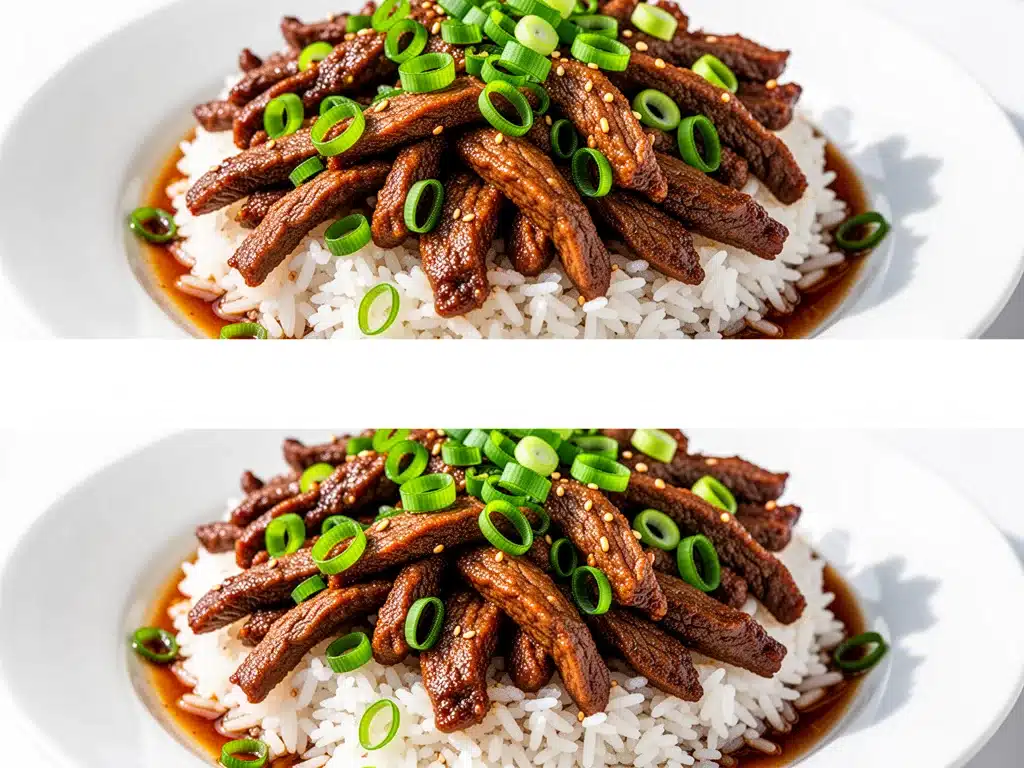
Three years ago, my idea of a “Korean dinner” was a greasy bag from the place on 4th Street that delivered in twenty minutes. I’d order the bulgogi, get home, eat it standing over the sink because my partner was already in the shower, and feel that familiar post-meal sluggishness. It was good, sure. But it was expensive, it was heavy, and honestly? I was tired of the same old routine.
Last month, I was stuck in a weird lull. I didn’t have the energy to chop and stir-fry for 45 minutes, but I also didn’t want to eat another bowl of cereal or heat up leftovers that had been in the fridge for four days. I remembered a recipe I’d saved on Pinterest ages ago—something about a slow cooker and beef bulgogi. I figured, what’s the worst that could happen? It’s just meat and sauce in a pot. I’d set it and forget it.
That was three weeks ago. Since then, I’ve made these Slow Cooker Korean Beef Bulgogi Bowls with Rice at least six times. Six. My kids, who usually turn their noses up at anything that isn’t breaded and fried, ask for “that yummy beef” on repeat. My partner says it’s better than takeout. And the best part? I can throw everything in the pot before work, and when I walk in the door, my house smells like a high-end Seoul restaurant, not a fast-food joint.
This isn’t just a recipe. It’s my new sanity-saver. It’s the dish that gets me out of the “what’s for dinner” rut without requiring me to be a chef. If you’re tired of the takeout menu or just want something that tastes amazing but practically cooks itself, you need to try this. It’s sweet, savory, tender, and so easy you’ll feel like a genius.
Why You’ll Love This Slow Cooker Korean Beef Bulgogi Bowls with Rice
I’m not exaggerating when I say this recipe has completely changed our weeknight dynamic. Here’s the real talk on why this Slow Cooker Korean Beef Bulgogi Bowls with Rice is now permanently etched into our family’s rotation.
- Zero Stress Cooking — Seriously, if you can dump ingredients into a bowl, you can make this. I’ve made this while on phone calls, while helping with homework, and even once while watching a movie. There’s no standing over a hot stove stirring. You just set the timer and go live your life.
- Tender, Melt-in-Your-Mouth Beef — The secret is the slow cooking method. Regular bulgogi is stir-fried, which is great, but slow cooking breaks down the fibers of the beef so it’s incredibly soft. It’s not chewy or tough. It just falls apart. My husband says it’s the most tender beef he’s ever had at home.
- Authentic Flavor, Lazy Effort — People think slow cooker food tastes “mushy” or bland. Not this. The sauce concentrates as it cooks, getting deeper and richer. It’s sweet from the pear, savory from the soy, and aromatic from the garlic and ginger. It hits all the right notes without you needing to know any Korean cooking techniques.
- Meal Prep Friendly — I make a double batch every Sunday. These bowls store beautifully in the fridge for up to four days. During the week, I just scoop a portion into a container, add some fresh veggies, and I have lunch ready to go. It’s better than any cafeteria food I’ve ever bought.
- Customizable to the Tenth Degree — This is the beauty of the “bowl” format. My daughter likes it with extra gochujang (spicy paste). My son likes it with just the beef and rice. I like it loaded with sautéed spinach and carrots. Everyone is happy because they build their own plate.
It’s affordable, it’s filling, and it makes your house smell incredible. What more could you want from a weeknight dinner? This is my go-to when I need dinner to just work. No complicated techniques, no weird ingredients you can’t find, just reliable, delicious food that makes everyone happy.
Ingredients You’ll Need for Slow Cooker Korean Beef Bulgogi Bowls with Rice
Here’s the best part: you probably have most of this already. The sauce is simple, using ingredients that are either pantry staples or easy finds at any grocery store. I’m particular about a few things here, and I’ll tell you exactly why.
For the Beef and Marinade
Flank Steak or Sirloin (2 pounds / 900g) — This is your main event. You want a lean cut that benefits from slow cooking. Flank steak is traditional and gets super tender. Sirloin works too, but flank is my favorite. Slice it thinly against the grain. This is non-negotiable for tenderness.
Soy Sauce (½ cup / 120ml) — I use low-sodium soy sauce so I can control the saltiness. If you use regular soy sauce, you might want to reduce the amount slightly or skip adding extra salt later. Kikkoman is my go-to brand, but any quality soy sauce works.
Brown Sugar (¼ cup / 50g) — This gives that classic bulgogi sweetness. I like dark brown sugar for a deeper molasses flavor, but light works fine too. It caramelizes slightly in the slow cooker, adding depth.
Asian Pear (1 large, grated / about 1 cup) — This is the secret weapon. Asian pears are juicy, sweet, and slightly floral. But more importantly, they contain an enzyme that naturally tenderizes the meat. If you can’t find an Asian pear, a regular Bosc pear works, but Asian is better. Grate it on a box grater—don’t just chop it.
Garlic (6 cloves, minced / about 2 tablespoons) — Yes, six cloves. Don’t skimp. Fresh only—no jarred garlic in this recipe. The flavor is too sharp and metallic otherwise. Minced garlic adds that essential aromatic punch.
Fresh Ginger (1 tablespoon, grated) — Fresh ginger is bright and zesty. Ground ginger just doesn’t cut it here. Peel a knob of ginger and grate it fine. It adds a nice warmth that balances the sweetness.
Sesame Oil (1 tablespoon) — Toasted sesame oil is potent. Use it for flavor, not cooking. It adds that nutty aroma that screams “Korean food.” If you don’t have it, you can skip it, but I highly recommend getting a bottle. It lasts forever in the fridge.
Black Pepper (1 teaspoon, freshly ground) — Just a little kick to balance the sweet and salty. Freshly cracked is best.
For the Bowls
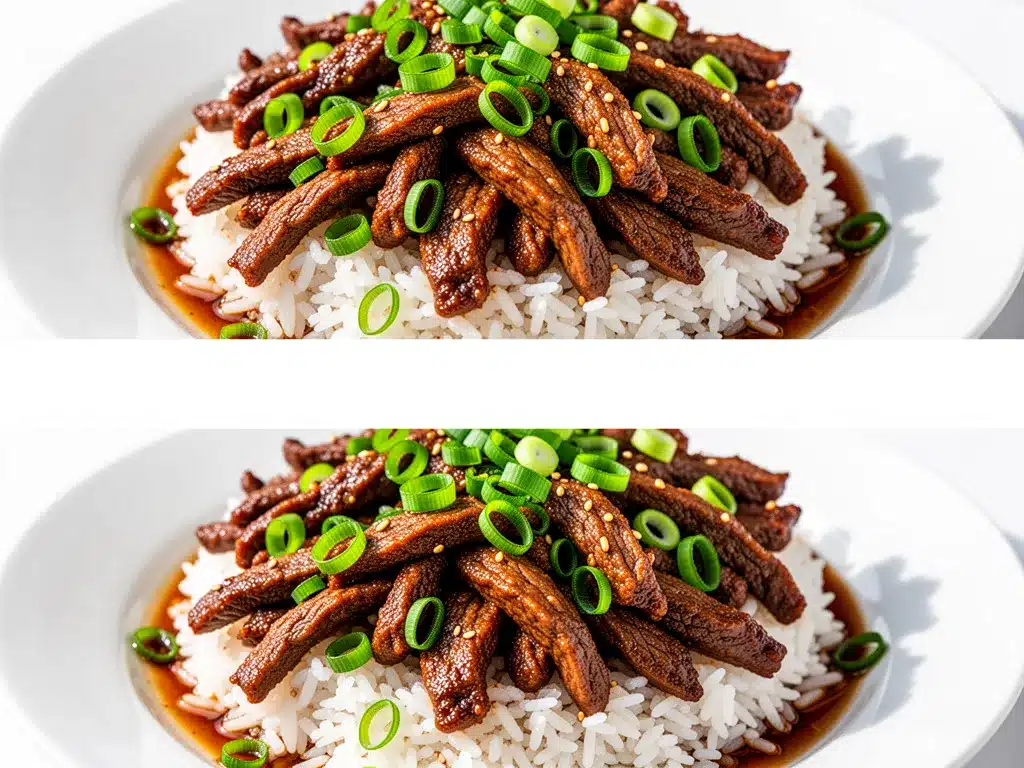
Short-Grain White Rice (2 cups uncooked / 400g) — This is crucial. Do not use long-grain rice or jasmine rice for this. Short-grain rice (like sushi rice or Korean rice) is sticky and chewy, which is perfect for scooping up the beef and sauce. I use Nishiki brand because it’s widely available and cooks perfectly.
Green Onions (4 stalks, sliced thinly) — For garnish. They add a fresh, sharp crunch that cuts through the rich beef.
Sesame Seeds (1 tablespoon, toasted) — For garnish. Toast them in a dry pan for a minute until they’re golden and fragrant. It’s a small step that makes a big difference.
Optional Toppings — I always have these on hand: shredded carrots, blanched spinach, sliced radishes, and a drizzle of spicy gochujang sauce. These add texture and freshness to the bowl.
Equipment Needed
You don’t need fancy equipment for this. Here’s what I actually use.
Slow Cooker (6-quart) — I use a Crock-Pot. Any brand works. Just make sure it’s big enough to hold 2 pounds of beef and all the sauce with room to stir. A 4-quart might be too small.
Sharp Knife — For slicing the beef. A dull knife will tear the meat. I use my 8-inch chef’s knife. It’s my most-used tool.
Box Grater — For the pear and ginger. A microplane works too, but a box grater is faster for the pear.
Rice Cooker or Medium Saucepan — For cooking the rice. I have a rice cooker, which is a game-changer, but a saucepan works fine. Just make sure it has a tight-fitting lid.
Measuring Cups and Spoons — Standard stuff. Dollar store versions work fine.
Wooden Spoon — For stirring. Silicone works too. Don’t use metal on non-stick slow cooker inserts.
How to Make It: Step-by-Step
Alright, let’s make this! I’m walking you through exactly how I do it, including the little tricks I’ve picked up over these six weeks.
Step 1: Prep the Beef (5 minutes)
Take your flank steak out of the fridge and let it sit for 10 minutes. This makes it easier to slice. Place it on a cutting board and slice it thinly against the grain. This means you want to cut perpendicular to the direction of the muscle fibers. If you cut with the grain, the beef will be chewy. Against the grain, it’s tender. Slice it into bite-sized strips, about ¼-inch thick.
Step 2: Make the Marinade (3 minutes)
In a small bowl, whisk together the soy sauce, brown sugar, grated Asian pear, minced garlic, grated ginger, sesame oil, and black pepper. The pear should be grated until it’s almost a pulp. This releases all the juice and enzymes. Whisk until the sugar is mostly dissolved. It doesn’t need to be perfect, just combined.
Step 3: Combine and Cook (6-8 hours on Low)
Place the sliced beef in the bottom of your slow cooker. Pour the marinade over the beef. Use your hands or a spoon to toss the beef around, making sure every piece is coated. Cover and cook on LOW for 6-8 hours. Do not cook on HIGH for this recipe. The low and slow method is what makes the beef so tender. If you’re short on time, you can do HIGH for 3-4 hours, but the texture won’t be quite as good. I usually start it in the morning and come home to dinner.
Step 4: Cook the Rice (20 minutes)
While the beef is cooking, rinse your short-grain rice under cold water until the water runs clear. This removes excess starch and prevents the rice from being gummy. Cook the rice according to your rice cooker or saucepan instructions. Usually, it’s a 1:1 ratio of rice to water. Fluff it with a fork when it’s done.
Step 5: Thicken the Sauce (Optional, 5 minutes)
After 6-8 hours, check the beef. It should be fork-tender. If you want a thicker sauce, remove the lid and turn the slow cooker to HIGH for the last 30 minutes. This allows excess liquid to evaporate. Alternatively, you can mix 1 tablespoon of cornstarch with 1 tablespoon of cold water to make a slurry, stir it into the beef, and cook on HIGH for 15-20 minutes until thickened. I usually skip this step because I like the sauce a bit looser for soaking into the rice.
Step 6: Assemble the Bowls
Divide the hot rice among four bowls. Top with the beef and sauce. Garnish with sliced green onions and toasted sesame seeds. Add your favorite veggies on the side or on top. Serve immediately while hot.
Total Time: About 8 hours (mostly hands-off). Active time is only about 15 minutes.
Expert Tips & Tricks
Here’s everything I’ve learned from making this dozens of times. These tips will save you from my mistakes.
Slice Against the Grain
I can’t stress this enough. Look at the beef. See the lines running through it? Cut across those lines, not parallel to them. This shortens the muscle fibers, making the beef tender. If you slice with the grain, you’ll have tough, chewy beef no matter how long you cook it.
Don’t Skip the Asian Pear
I tried this recipe once with just sugar and soy sauce, and it was good but lacked that depth. The pear adds natural sweetness and tenderness. If you can’t find an Asian pear, use a regular pear, but grate it finely. The enzyme is key.
Rinse Your Rice
Never skip rinsing short-grain rice. If you don’t, the rice will be sticky and gummy, which is not the texture you want for bulgogi bowls. Rinse until the water is clear. It takes 30 seconds but makes a huge difference.
Save the Pasta Water? No, Save the Beef Juice
Wait, this isn’t pasta. But the principle is similar. The sauce in the slow cooker gets diluted by the beef’s juices. If you like a thicker sauce, let it cook uncovered for the last 30 minutes. If you like it soupy (which I do), leave the lid on.
Toast Your Sesame Seeds
Raw sesame seeds are fine, but toasted sesame seeds are amazing. Just put them in a dry pan over medium heat for 2-3 minutes, shaking constantly, until they’re golden and smell nutty. It’s a tiny step that elevates the dish.
Variations & Substitutions
Once you’ve nailed the basic version, here’s how you can mix it up. I’ve tried all of these.
Spicy Bulgogi
Add 1-2 tablespoons of gochujang (Korean chili paste) to the marinade. This adds heat and a deep, fermented flavor. Start with 1 tablespoon and add more to taste. My daughter loves this version.
Vegetarian Version
Swap the beef for sliced shiitake mushrooms or seitan. Marinate for 4 hours instead of 8. The mushrooms absorb the sauce beautifully and have a meaty texture. Serve over rice just like the beef.
Pork Bulgogi
Pork shoulder or pork loin works great too. Slice it thinly and cook for 6-8 hours on low. Pork pairs well with the sweet and savory sauce. Just make sure it’s cooked to 145°F.
Gluten-Free
Use tamari instead of soy sauce. Everything else is naturally gluten-free. I’ve used San-J tamari and it works perfectly.
Quick Stir-Fry Version
If you don’t have a slow cooker, you can stir-fry this. Heat oil in a wok, add the beef, and cook for 2-3 minutes until browned. Add the sauce and cook for 1 minute until thickened. It’s faster but requires more attention.
Serving & Storage
How to Serve:
I usually serve this straight from the slow cooker into bowls. It looks rustic and stays warm. But here are other ways I’ve enjoyed it:
- Side Dishes: Steamed broccoli, kimchi, or a simple cucumber salad with vinegar and sesame oil.
- Toppings Bar: When I have guests, I put out shredded carrots, radishes, cilantro, and gochujang. Everyone customizes their bowl.
- Wine Pairing: Not a wine expert, but my wine-snob friend says a crisp Riesling or a light Pinot Noir works great with this.
Storage Instructions:
Refrigerator: Store in an airtight container for up to 4 days. The beef and sauce keep well. The rice should be stored separately.
Reheating: Best method: Add the beef and sauce to a skillet with a splash of water or broth over low heat. Stir until heated through. Microwave works too, but add a splash of water to prevent drying out. Reheat the rice separately.
Freezing: Yes, this freezes well! Freeze the beef and sauce in an airtight container for up to 3 months. Thaw in the fridge overnight and reheat. Do not freeze the rice—it gets mushy.
Pro tip: If leftovers are drying out, stir in a teaspoon of sesame oil when reheating. Brings back that rich flavor.
Nutrition Information
I’m not a nutritionist, but here’s the breakdown if you’re tracking.
| Per Serving (based on 4 servings) | Amount |
|---|---|
| Calories | 450 |
| Protein | 35g |
| Carbs | 45g |
| Fiber | 1g |
| Sugar | 12g |
| Fat | 12g |
| Saturated Fat | 4g |
| Sodium | 900mg |
What’s Good: High protein from the beef. Good carbs for energy. Can add vegetables to boost fiber.
What to Know: Higher in sodium from the soy sauce. Use low-sodium soy sauce to reduce. Contains gluten (unless using tamari).
My Take: Look, this is comfort food. It’s not a diet recipe. But it’s way better than takeout, costs less, and I know exactly what’s in it. When I want to make it lighter, I use more vegetables and less rice. But usually? I just eat a reasonable portion and enjoy it.
Final Thoughts
So that’s my go-to Slow Cooker Korean Beef Bulgogi Bowls with Rice! I’ve probably talked your ear off at this point, but when you make a recipe this often, you have a lot to say about it.
This has saved weeknight dinners more times than I can count. It’s my answer to “what’s for dinner” when I’m tired, don’t want takeout, and still want something that tastes really good. My kids are happy, my partner’s happy, and I’m happy because I’m not stressed about cooking.
Make it yours! Try different add-ins, swap in your favorite vegetables, adjust the spice level. The best recipes are the ones you adapt to your family’s tastes.
If you make this, drop a comment and let me know what you think! I love hearing how recipes turn out in your kitchen. And if something doesn’t work, tell me that too—I’m here to help troubleshoot.
Happy cooking! And I hope your kitchen smells half as good as mine does right now.
Frequently Asked Questions
Can I use flank steak that’s frozen?
Yes, but thaw it completely first. Trying to slice frozen beef is dangerous and difficult. If you’re in a rush, you can cook it frozen in the slow cooker, but it will release more water and the texture might be less tender. Thawing is best.
Why is my beef still tough?
Two reasons: You didn’t slice it against the grain, or you didn’t cook it long enough. Flank steak needs time to break down. If it’s still tough after 6 hours on low, cook it for another 1-2 hours. Also, make sure you’re slicing thinly.
Can I make this in an Instant Pot?
Yes! Use the “Sauté” function to mix the sauce, then add the beef. Cook on High Pressure for 15 minutes, then do a quick release. Let it sit for 10 minutes to thicken. It’s faster but the texture is slightly different.
What kind of rice should I use?
Short-grain white rice is best. It’s sticky and chewy, perfect for bulgogi. Do not use jasmine or basmati—they’re too fluffy and dry. Do not use brown rice unless you want to adjust cooking time and liquid ratios.
Can I double this recipe?
Absolutely! Double everything and use your biggest slow cooker. The cooking times stay the same. Just make sure your slow cooker isn’t more than ¾ full for best results.
How do I reheat leftovers without it getting dry?
Add a splash of water or broth to the beef and sauce when reheating. This restores the moisture. Microwave in 30-second intervals, stirring between. If you do microwave, definitely add a splash of liquid first.
Can I make this ahead for a dinner party?
Sort of. You can prep the sauce and slice the beef the night before and store them separately in the fridge. In the morning, dump them into the slow cooker. It saves morning stress. Cook the rice fresh for the best texture.
Pin This Recipe!
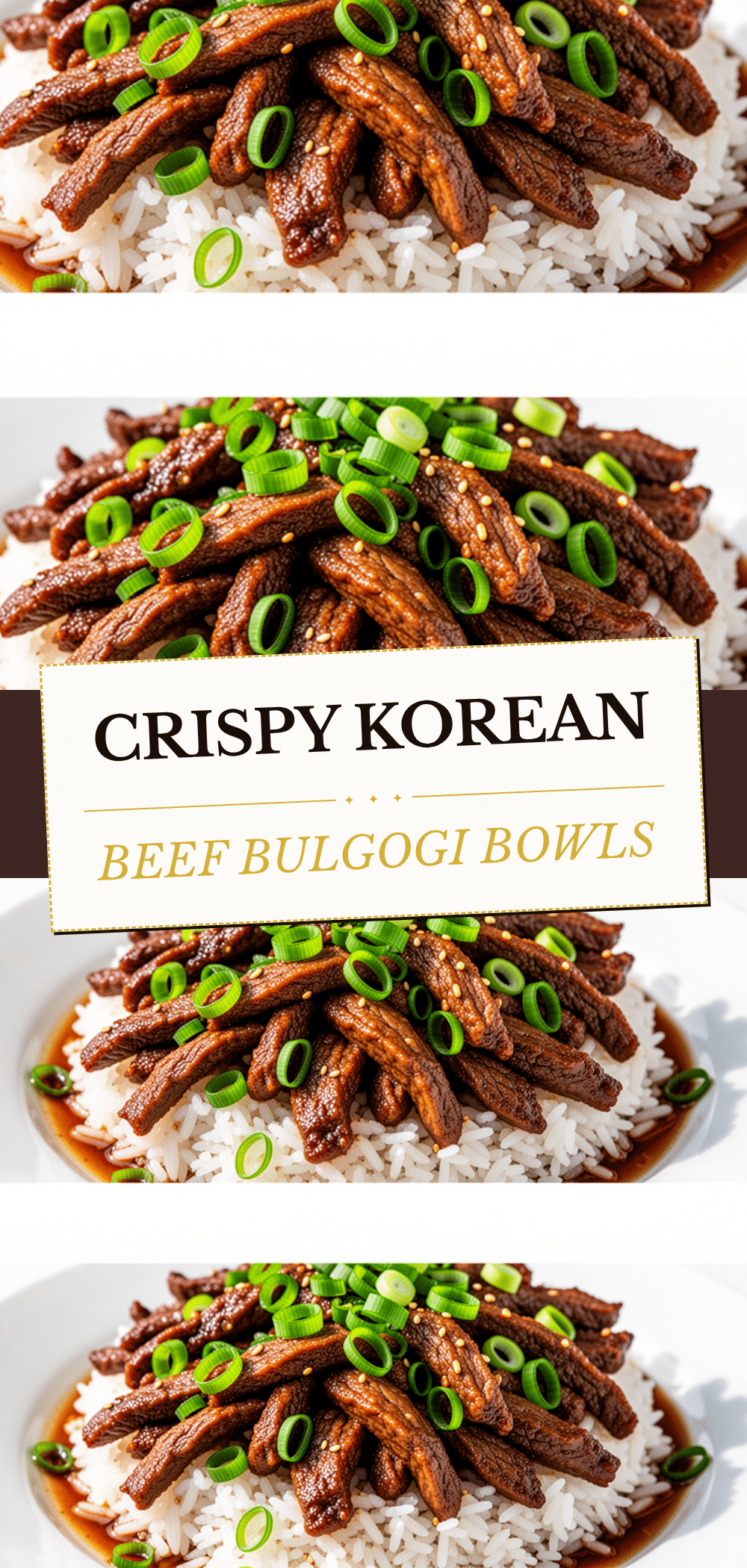
Slow Cooker Korean Beef Bulgogi Bowls with Rice
- Total Time: 8 hours 15 minutes
- Yield: 4 servings 1x
Description
A tender, melt-in-your-mouth beef bulgogi made easy in a slow cooker. This sweet and savory dish requires minimal active time and delivers authentic Korean flavors perfect for weeknight dinners.
Ingredients
- 2 pounds flank steak or sirloin, sliced thinly against the grain
- ½ cup low-sodium soy sauce
- ¼ cup dark brown sugar
- 1 large Asian pear, grated (about 1 cup)
- 6 cloves garlic, minced
- 1 tablespoon fresh ginger, grated
- 1 tablespoon toasted sesame oil
- 1 teaspoon freshly ground black pepper
- 2 cups short-grain white rice (uncooked)
- 4 stalks green onions, sliced thinly
- 1 tablespoon sesame seeds, toasted
- Optional toppings: shredded carrots, blanched spinach, sliced radishes, gochujang sauce
Instructions
- Let the flank steak sit at room temperature for 10 minutes, then slice it thinly against the grain into bite-sized strips.
- In a small bowl, whisk together soy sauce, brown sugar, grated Asian pear, minced garlic, grated ginger, sesame oil, and black pepper until the sugar is mostly dissolved.
- Place the sliced beef in the bottom of a 6-quart slow cooker. Pour the marinade over the beef and toss to coat every piece evenly.
- Cover and cook on LOW for 6-8 hours. (Do not cook on HIGH for best texture; if short on time, HIGH for 3-4 hours is acceptable but less tender).
- While the beef cooks, rinse short-grain rice under cold water until clear. Cook according to package instructions (usually 1:1 rice to water ratio) and fluff with a fork.
- Optional: For thicker sauce, remove lid and cook on HIGH for last 30 minutes, or stir in a cornstarch slurry (1 tbsp cornstarch + 1 tbsp cold water) and cook on HIGH for 15-20 minutes.
- Divide hot rice among four bowls. Top with beef and sauce. Garnish with sliced green onions and toasted sesame seeds. Serve immediately.
Notes
[‘Slice beef against the grain to ensure tenderness.’, ‘Asian pear contains enzymes that naturally tenderize the meat; do not skip if possible.’, ‘Rinse rice thoroughly to remove excess starch and prevent gumminess.’, ‘Toast sesame seeds in a dry pan for enhanced flavor.’, ‘Store beef and sauce separately from rice in the refrigerator for up to 4 days.’, ‘Freeze beef and sauce for up to 3 months; do not freeze rice.’]
- Prep Time: 15 minutes
- Cook Time: 6-8 hours
- Category: Main Course
- Cuisine: Korean
Nutrition
- Serving Size: 1 bowl per serving
- Calories: 450
- Sugar: 12
- Sodium: 900
- Fat: 12
- Saturated Fat: 4
- Carbohydrates: 45
- Fiber: 1
- Protein: 35
Keywords: slow cooker, bulgogi, korean beef, beef bowls, easy dinner, meal prep, weeknight dinner, asian pear marinade


