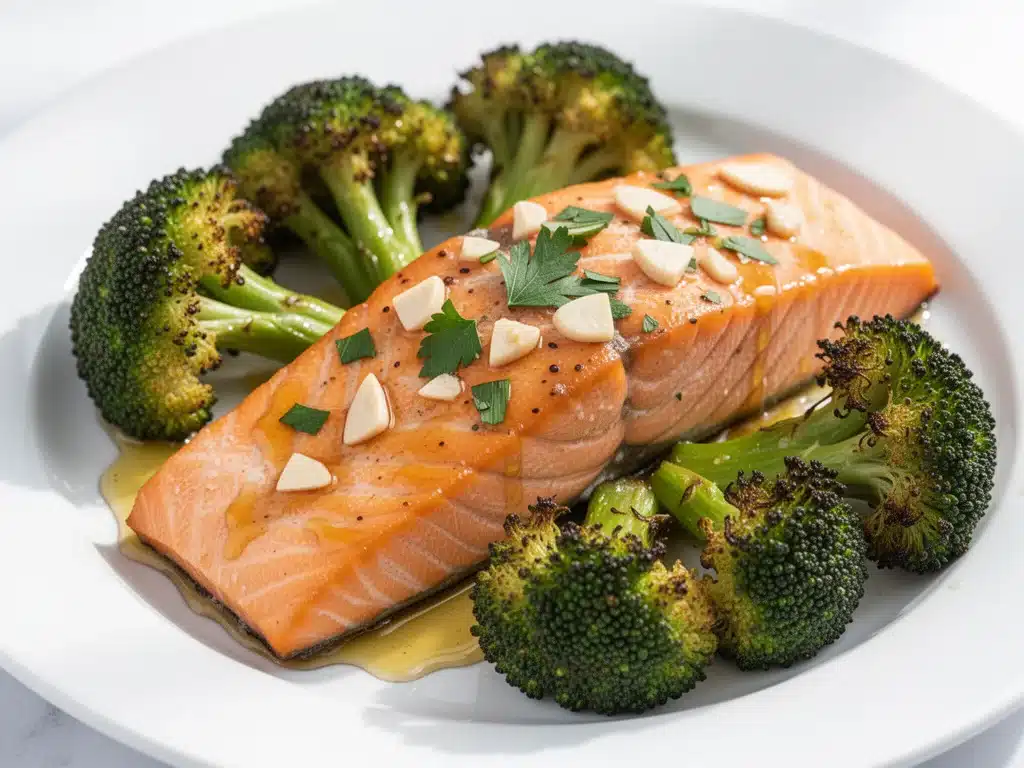
It was 5:45 PM on a Tuesday, and I was staring at a pile of laundry that hadn’t been touched since Sunday, a sink full of dishes, and a toddler who was currently auditioning for a role in a horror movie. My husband had texted: “Running late. Traffic is a nightmare. What’s for dinner?”
My stomach dropped. I had no protein in the fridge except a lone, sad-looking piece of salmon that had been hiding behind a jar of pickles since Thursday. No time to thaw anything. No energy to chop vegetables. No patience for a recipe that required twelve steps and three different pans.
So I did what I always do when I’m desperate: I threw everything on one sheet pan. I tossed the salmon with some honey, garlic, and soy sauce. I threw a whole head of broccoli on there, cut into florets. I popped it in the oven. I sat on the couch and tried to remember what silence sounded like.
Twenty minutes later, the smell of caramelized garlic and roasted salmon filled the house. When my husband walked in, toddler in tow, he didn’t even complain about the chaos. He just ate. And then he asked for seconds.
That night, I realized something important: I didn’t need a complicated meal to feel like a good parent or a good cook. I just needed this Sheet Pan Honey Garlic Salmon with Broccoli. It’s become my absolute go-to for those “I have zero energy but still want to eat like a human” evenings. It’s sweet, savory, slightly sticky, and incredibly forgiving. If you’ve been looking for a weeknight dinner that actually delivers on flavor without the cleanup headache, you need to try this. I’ve made it at least a dozen times since that chaotic Tuesday, and it never fails to save the day.
Why You’ll Love This Recipe
I’m not going to lie to you—weeknight cooking can feel like a chore. But this Sheet Pan Honey Garlic Salmon with Broccoli has completely changed how I think about dinner. It’s not just easy; it’s genuinely delicious. Here’s why this recipe has earned a permanent spot in my rotation:
- Zero Stress Cleanup — Seriously, this is the biggest selling point. One pan. That’s it. I don’t even need to wash a cutting board if I prep the salmon in its wrapper (okay, maybe a tiny bit of mess, but nothing major). After dinner, I just toss the pan in the dishwasher or soak it while I relax. No scrubbing pans. No wiping down counters. It’s a game-changer for tired evenings.
- Ready in 20 Minutes — From preheating the oven to the first bite, you’re looking at about 20 minutes. The salmon cooks in 12-15 minutes, and the broccoli takes about the same time. You can have this on the table before the kids finish their homework or before the dog gets bored waiting for scraps. It’s lightning fast.
- Flavor That Actually Works — I know what you’re thinking: “Salmon and broccoli? Isn’t that boring?” Not with this sauce. The honey garlic glaze is sticky, sweet, and savory all at once. It caramelizes on the edges of the fish and coats the broccoli florets in a delicious, garlicky hug. It tastes like something from a nice restaurant, not a sad desk lunch.
- Healthy Without Feeling Like Diet Food — This is packed with omega-3s, protein, and fiber. But it doesn’t taste “healthy.” It tastes rich and satisfying. My kids, who usually turn their noses up at fish, ask for this regularly. They love the sweet glaze. I love that I’m feeding them something good without having to bribe them with dessert.
- Super Flexible — Ran out of honey? Use maple syrup. Don’t like broccoli? Swap it for asparagus or green beans. Need to feed more people? Double the recipe. This recipe bends to your life, not the other way around. I’ve made variations with ginger, sriracha, and lemon, and they all work. But the classic honey garlic? That’s the king.
- Calories: 320
- Protein: 28g
- Carbs: 18g
- Fiber: 4g
- Fat: 14g
- Sodium: 450mg
This is my answer to “What’s for dinner?” when I’m exhausted. It’s reliable, tasty, and leaves me with one less thing to clean. What more could you want?
Ingredients You’ll Need
Here’s the best part: you probably have most of this already. This isn’t a recipe that requires a special trip to a specialty store. It’s pantry-friendly and fresh, but accessible. I’m particular about a few things here, so pay attention to the details.
For the Salmon
Salmon Fillets (1.5 to 2 pounds / 700-900g) — Look for wild-caught if you can find it, but farmed is fine too. The key is uniformity. Try to get fillets that are roughly the same thickness so they cook evenly. If some are tiny and others are huge, you’ll end up with dry fish. I like to buy a family pack and freeze the extras for later.
Neutral Oil (2 tablespoons / 30ml) — I use avocado oil or canola oil. You need something with a higher smoke point because the oven gets hot. Olive oil works, but extra virgin can smoke and taste bitter at high temps. Just keep it simple.
Salt and Pepper — Kosher salt and freshly cracked black pepper. Don’t skip the salt on the fish itself. It seasons the flesh, not just the sauce.
For the Honey Garlic Sauce
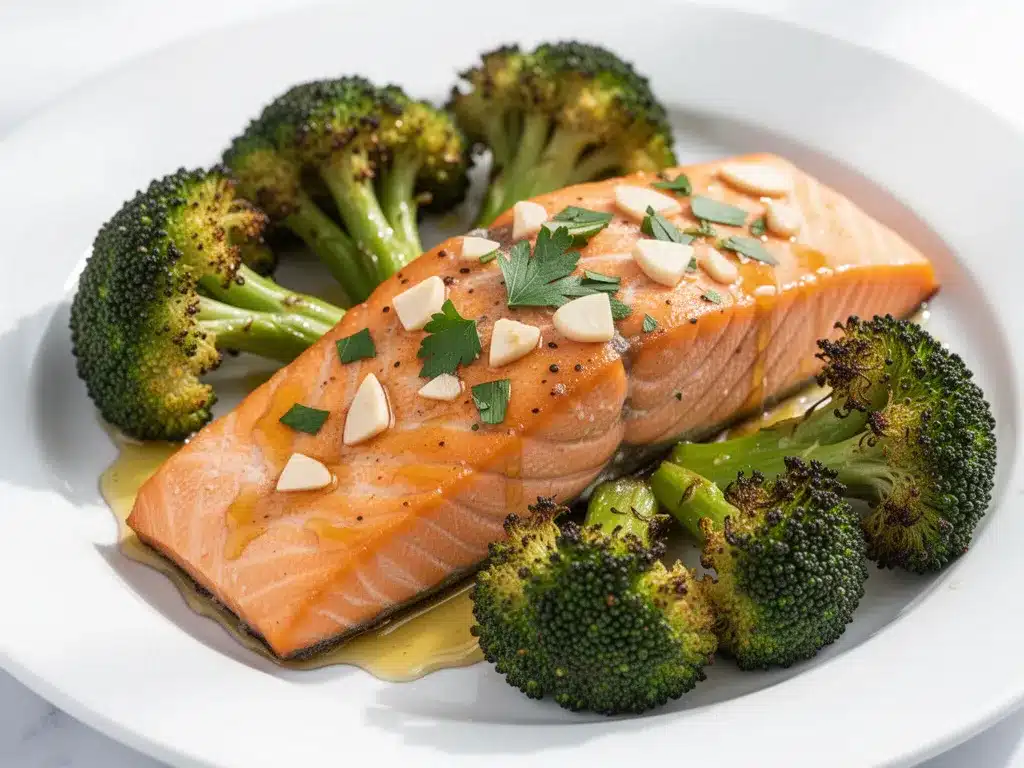
Honey (1/3 cup / 80ml) — This is the star. Use real honey, not the corn syrup stuff in the bear. I like clover or wildflower for a nice floral note. If it’s crystallized, just warm it up in the microwave for 10 seconds.
Soy Sauce (3 tablespoons / 45ml) — Regular soy sauce is fine, but tamari if you’re going gluten-free. It adds that salty, umami depth that balances the sweetness. Low-sodium is better so you can control the saltiness.
Garlic (4-5 cloves, minced / about 1.5 tablespoons) — Yes, fresh garlic. Minced fine. Do not use jarred garlic for this. The flavor is just too sharp and metallic. Fresh garlic caramelizes beautifully in the oven. If you’re lazy, buy pre-minced, but honestly, mincing five cloves takes 30 seconds.
Rice Vinegar (1 teaspoon / 5ml) — This is the secret weapon. It cuts through the richness of the salmon and the sweetness of the honey. You won’t taste it directly, but it makes the flavor pop. If you don’t have rice vinegar, lemon juice works in a pinch.
Ginger (1 teaspoon, grated / optional) — Fresh ginger is amazing here. Grate it on a microplane. If you don’t have fresh, 1/2 teaspoon of ground ginger works, but fresh is best.
Sesame Oil (1 teaspoon / 5ml) — Just a little bit. It adds that nutty aroma that makes Asian-inspired dishes smell so good. Don’t pour the whole bottle; a little goes a long way.
For the Vegetables
Broccoli (1 large head / about 4 cups florets) — Fresh broccoli is best. Cut it into bite-sized florets. If the stems are thick, peel them and slice them into coins—they’re delicious too. Frozen broccoli? Skip it. It gets mushy in the oven. We want crisp-tender.
Red Pepper Flakes (1/2 teaspoon) — Optional, but I recommend it. A little heat balances the sweet and savory. It adds a nice kick without making it spicy-hot.
Green Onions (2 stalks, sliced) — For garnish. Adds a fresh, oniony crunch at the end. I usually buy these specifically for this recipe because I use them for everything.
Sesame Seeds (1 tablespoon) — Toasted sesame seeds are fancy, but regular ones work too. They add a nice texture and visual appeal.
Equipment Needed
You don’t need fancy equipment for this. Here’s what I actually use. If you don’t have these, don’t worry—there are alternatives.
Large Sheet Pan — I use a standard 18×13 inch baking sheet. Rimmed is better because the sauce can bubble over. I prefer non-stick, but if yours is well-seasoned or you use parchment, it works fine. Don’t use a small pan; the salmon needs space to breathe.
Parchment Paper or Silicone Mat — I almost always line my pan. It makes cleanup even easier. The honey can stick and burn if it’s directly on the metal. Parchment paper saves you from scrubbing baked-on sugar later.
Small Bowl — For whisking the sauce. Any bowl works. I use a glass measuring cup sometimes if I want to pour it easily.
Whisk or Fork — To mix the sauce. A fork works fine if you don’t have a whisk.
Knife and Cutting Board — For chopping the broccoli and garlic. Sharp knife helps. Dull knives make you cry more—literally and figuratively.
Pastry Brush or Spoon — To brush the sauce on the salmon. A spoon works if you’re being lazy, but a brush gives better coverage.
How to Make It: Step-by-Step
Alright, let’s make this! I’m walking you through exactly how I do it, including the little tricks I’ve picked up over time. It’s simple, but the details matter.
Step 1: Prep the Oven and Pan (5 minutes)
Preheat your oven to 400°F (200°C). This is the sweet spot for salmon. Lower temps dry it out; higher temps burn the honey. Line your sheet pan with parchment paper or a silicone mat. I like parchment because I can just lift the fish off later. Spray the pan lightly with oil so the broccoli doesn’t stick.
Step 2: Prep the Broccoli
Wash your broccoli and cut it into florets. Try to keep them roughly the same size so they cook evenly. If you have thick stems, peel the outer layer and slice them. Toss the florets on one side of the pan with a little olive oil, salt, and pepper. Spread them out in a single layer. Don’t crowd them! If they’re piled on top of each other, they’ll steam instead of roast. We want some char.
Step 3: Prep the Salmon
Pat the salmon fillets dry with paper towels. This is important. Moisture prevents browning. Place the fillets on the other side of the pan, leaving space between them. Season with salt and pepper. If you have thin pieces, tuck the thinner ends under so they cook evenly with the thicker parts.
Step 4: Make the Sauce
In a small bowl, whisk together the honey, soy sauce, minced garlic, rice vinegar, grated ginger, and sesame oil. It should look glossy and slightly thick. Taste it. It should be sweet and salty. If it’s too sweet, add a drop more vinegar or soy. If it’s too salty, add a bit more honey. Adjust to your liking.
Step 5: Assemble and Bake
Pour half of the sauce over the broccoli. Toss it gently to coat. Drizzle the remaining sauce over the salmon. You want good coverage, but don’t drown it. Sprinkle the red pepper flakes over everything. Pop the pan in the oven.
Bake for 12-15 minutes. The exact time depends on the thickness of your fillets. A good rule of thumb: the salmon is done when it flakes easily with a fork and is opaque throughout. The edges should be slightly caramelized and sticky. The broccoli should be tender-crisp with some browned edges.
Step 6: Garnish and Serve
Remove the pan from the oven. Let it rest for 2 minutes. This allows the sauce to set slightly so it doesn’t slide off. Sprinkle with sliced green onions and toasted sesame seeds. Serve immediately.
Pro tip: If you like it extra saucy, save a little bit of the sauce before baking and warm it up in a small saucepan to drizzle over the top at the table.
Expert Tips & Tricks
Here’s everything I’ve learned from making this dozens of times. These tips will save you from my mistakes.
Don’t Overcook the Salmon — This is the #1 mistake. Salmon continues to cook after it’s out of the oven. Take it out when it’s *almost* done. It should look slightly translucent in the very center. If it’s fully opaque when you pull it out, it’ll be dry by the time you eat it. A meat thermometer reading 145°F is safe, but I pull it at 135°F for medium-rare, which is perfect for salmon.
Room Temperature Sauce — If your honey is cold and thick, it won’t mix well with the soy sauce. Warm it up slightly first. Also, if your garlic is cold, it can shock the hot pan. Just let your ingredients sit out for 10 minutes before starting.
Space It Out — I know we all love a crowded pan, but not here. The broccoli needs air circulation to roast properly. If you crowd it, it gets soggy. Use two pans if you have a large family. Better to have two pans than soggy veggies.
Toast Your Sesame Seeds — If you buy raw sesame seeds, toast them in a dry pan for 2 minutes until golden. It adds so much flavor. It’s a small step that makes a big difference.
Leftover Sauce — If you have extra sauce, don’t throw it away. It’s amazing drizzled over rice or quinoa. Or save it as a marinade for chicken next time.
Variations & Substitutions
Once you’ve nailed the basic version, here’s how you can mix it up. I’ve tried all of these.
Ginger Glaze — Double the ginger and add a teaspoon of grated ginger. It’s brighter and spicier. Great with white fish too.
Sriracha Honey — Add 1-2 tablespoons of sriracha to the sauce. It adds a nice heat that pairs well with the sweetness. My kids love this version.
Lemon Herb — Skip the soy sauce and ginger. Use lemon juice, lemon zest, and dried dill. It’s a more Mediterranean vibe. Still delicious.
Vegetable Swap — Can’t stand broccoli? Use asparagus, green beans, or zucchini. Asparagus cooks faster, so add it in the last 10 minutes. Zucchini can get watery, so salt it and let it drain first.
Protein Swap — This sauce works great with chicken thighs or shrimp. Shrimp cooks much faster, so bake for 5-7 minutes. Chicken thighs take longer, so bake for 20-25 minutes.
Gluten-Free — Use tamari instead of soy sauce. Everything else is naturally gluten-free.
Serving & Storage
How to Serve — I usually serve this straight from the pan, but it’s also great over rice, quinoa, or cauliflower rice. The sauce is amazing with grains. Add a side of steamed rice for a complete meal. A simple green salad with a vinaigrette balances the richness.
Storage — Store leftovers in an airtight container in the fridge for up to 3 days. The salmon will keep well, and the broccoli stays good if you don’t overcook it initially.
Reheating — Reheat gently. Microwave in 30-second intervals with a splash of water to keep it moist. Or reheat in a skillet over low heat. Avoid high heat, or the salmon will dry out and the broccoli will get weird.
Freezing — I don’t recommend freezing this. The broccoli gets mushy, and the salmon texture changes. Make it fresh.
Nutrition Information
I’m not a nutritionist, but here’s the breakdown if you’re tracking. Per serving (based on 4 servings):
It’s a high-protein, moderate-carb meal. The broccoli adds fiber and vitamins. The salmon provides healthy fats. It’s a balanced plate. If you’re watching sodium, use low-sodium soy sauce and skip the salt on the broccoli.
Final Thoughts
So that’s my Sheet Pan Honey Garlic Salmon with Broccoli! I’ve probably talked your ear off at this point, but when you make a recipe this often, you have a lot to say about it.
This has saved weeknight dinners more times than I can count. It’s my answer to “what’s for dinner” when I’m tired, don’t want takeout, and still want something that tastes really good. My kids are happy, my husband’s happy, and I’m happy because I’m not stressed about cooking.
Make it yours! Try different add-ins, swap in your favorite vegetables, adjust the garlic (though more is always better in my opinion). The best recipes are the ones you adapt to your family’s tastes.
If you make this, drop a comment and let me know what you think! I love hearing how recipes turn out in your kitchen. And if something doesn’t work, tell me that too—I’m here to help troubleshoot.
Happy cooking! And I hope your kitchen smells half as good as mine does right now.
Frequently Asked Questions
Can I use frozen salmon?
You can, but you need to thaw it completely first. Pat it very dry before cooking. Frozen salmon releases more water, which can make the sauce watery. If you’re in a rush, fresh is always better. But if you must use frozen, thaw it in the fridge overnight and press out the moisture.
Why did my salmon turn out dry?
Most likely, it was overcooked. Salmon cooks very quickly. Check it at 10 minutes. If it flakes easily, it’s done. Don’t wait until it looks perfect in the center; it will continue to cook. Also, thinner fillets cook faster, so keep an eye on them.
Can I make this ahead of time?
You can prep the ingredients ahead. Chop the broccoli and mix the sauce in the morning. Store them separately in the fridge. When you’re ready to cook, assemble and bake. This saves time during the rush. But don’t bake it ahead and reheat; the texture suffers.
What else can I cook on the same pan?
Asparagus, green beans, snap peas, bell peppers, and zucchini all work well. Just adjust the cooking time. Harder veggies like carrots or potatoes need to be pre-cooked or cut very small. Stick to quick-cooking veggies for best results.
Is this recipe kid-friendly?
Yes! The sweet honey garlic flavor masks the “fishy” taste that some kids dislike. The broccoli is roasted, not steamed, so it’s sweeter and more appealing. My picky eaters love it. Just make sure the salmon is flaky and easy to eat.
Can I double the recipe?
Yes, but you’ll need two sheet pans. Don’t overcrowd one pan. Cook both pans on the same rack, or rotate them halfway through. The cooking time stays the same.
Pin This Recipe!
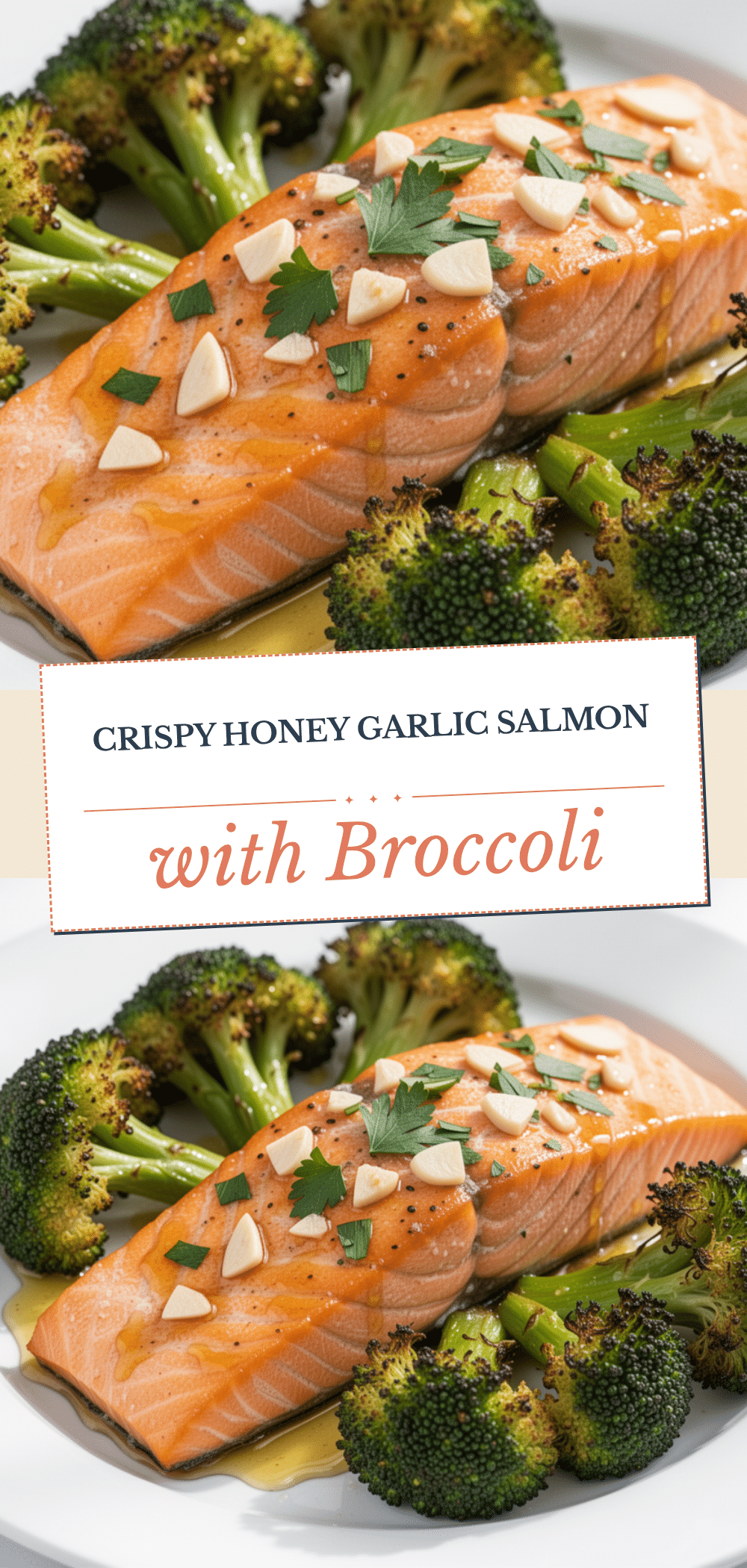
Sheet Pan Honey Garlic Salmon with Broccoli
- Total Time: 20 minutes
- Yield: 4 servings 1x
Description
A quick and easy weeknight dinner featuring salmon and broccoli roasted on a single sheet pan with a sweet and savory honey garlic glaze. Ready in 20 minutes with minimal cleanup.
Ingredients
- 1.5 to 2 pounds salmon fillets
- 2 tablespoons neutral oil (avocado or canola)
- Salt and freshly cracked black pepper
- 1/3 cup honey
- 3 tablespoons soy sauce (or tamari for gluten-free)
- 4–5 cloves garlic, minced
- 1 teaspoon rice vinegar
- 1 teaspoon fresh ginger, grated (optional)
- 1 teaspoon sesame oil
- 1 large head broccoli, cut into florets
- 1/2 teaspoon red pepper flakes
- 2 stalks green onions, sliced
- 1 tablespoon sesame seeds
Instructions
- Preheat oven to 400°F (200°C). Line a large rimmed sheet pan with parchment paper or a silicone mat and spray lightly with oil.
- Wash and cut broccoli into florets. Toss with a little olive oil, salt, and pepper. Spread in a single layer on one side of the pan.
- Pat salmon fillets dry and place on the other side of the pan. Season with salt and pepper. Tuck under thin ends if necessary.
- In a small bowl, whisk together honey, soy sauce, minced garlic, rice vinegar, ginger, and sesame oil.
- Pour half the sauce over the broccoli and toss to coat. Drizzle the remaining sauce over the salmon. Sprinkle with red pepper flakes.
- Bake for 12-15 minutes until salmon flakes easily with a fork and broccoli is tender-crisp with browned edges.
- Remove from oven and let rest for 2 minutes. Garnish with green onions and toasted sesame seeds. Serve immediately.
Notes
Do not overcrowd the pan to ensure broccoli roasts rather than steams. Salmon continues to cook after removal from the oven, so pull it when slightly translucent in the center. For extra sauciness, reserve some sauce before baking to drizzle over the top at the table.
- Prep Time: 5 minutes
- Cook Time: 15 minutes
- Category: Main Course
- Cuisine: Asian-Inspired
Nutrition
- Serving Size: 1 fillet and 1 cup b
- Calories: 320
- Sugar: 16
- Sodium: 450
- Fat: 14
- Saturated Fat: 2
- Carbohydrates: 18
- Fiber: 4
- Protein: 28
Keywords: sheet pan dinner, honey garlic salmon, easy weeknight dinner, healthy salmon recipe, one pan meal, gluten-free option


